Hurricane Debris Removal: Florida Preparation Guide
By Digital Service Solutions, Volusia Bobcat & Tree Service
Hurricane season in Florida brings the potential for significant damage, making effective debris removal planning and preparation crucial for residents. This article provides essential strategies for storm cleanup and emergency readiness, ensuring that individuals and communities can respond effectively to the aftermath of a hurricane. Understanding the key steps in planning for hurricane debris removal can help mitigate risks and streamline recovery efforts. This guide will cover essential storm cleanup strategies, emergency readiness measures, best practices for effective debris management, and the importance of community engagement in storm preparedness. By following these guidelines, Florida residents can enhance their resilience against hurricanes and ensure a safer environment for all.
Emphasizing the broader impact, research highlights that comprehensive hurricane preparation and mitigation are fundamental to strengthening community resilience.
Florida Hurricane Preparedness: Building Community Resilience
Ultimately, hurricane preparation and mitigation are key for improving community resilience and these efforts should be tailored to MCH populations as well as delivered by the providers who know their needs best.
Barriers and opportunities for the MCH workforce to support hurricane preparedness, response, and recovery in Florida, 2017
Essential Storm Cleanup Strategies
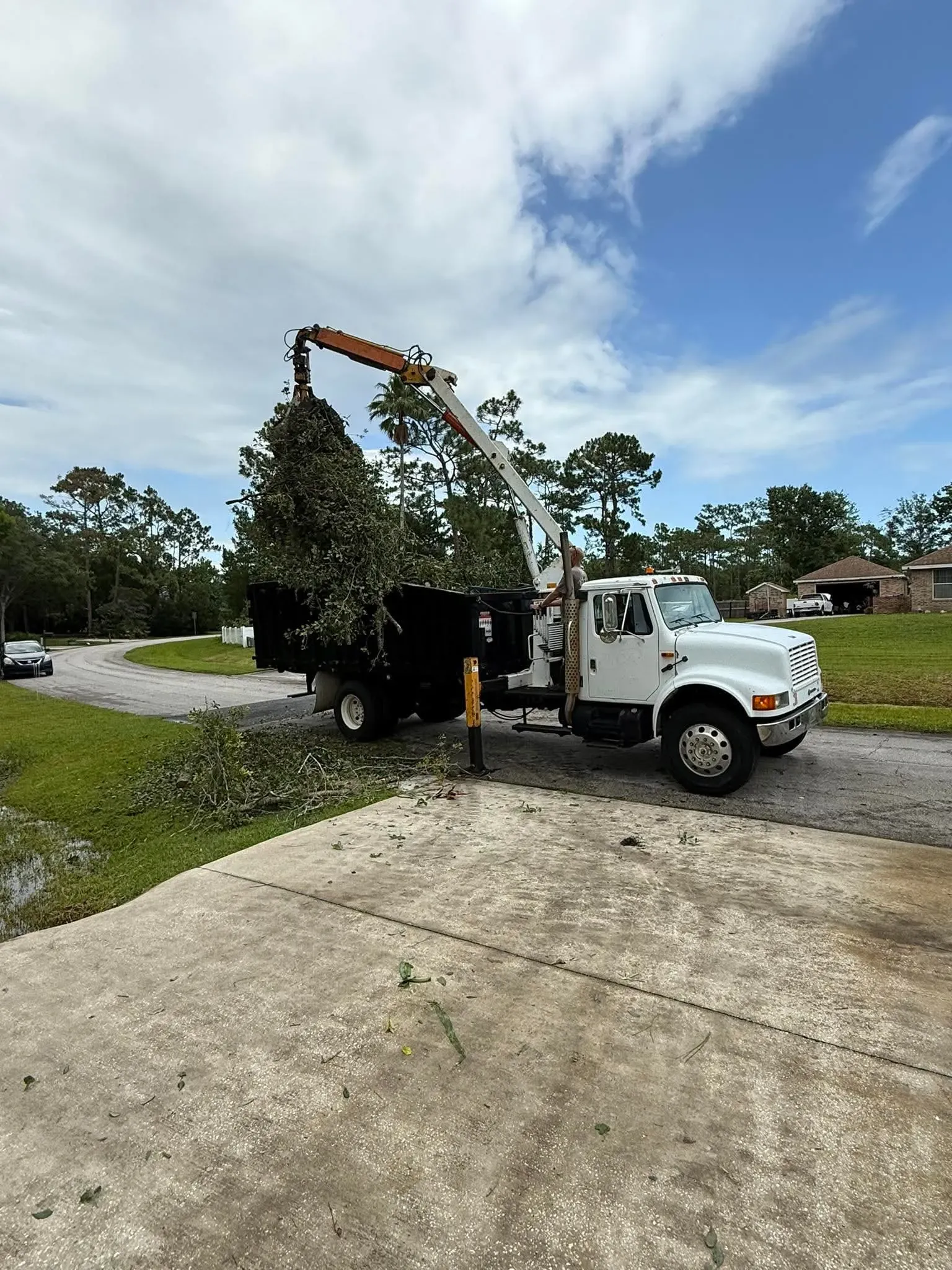
Effective storm cleanup begins with a well-thought-out strategy that prioritizes safety and efficiency. Key strategies include:
- Prioritize Safety and Access: Ensure that all cleanup efforts begin with a focus on safety. Assess the area for hazards such as downed power lines or unstable structures before proceeding.
- Document Damage: Take photographs and notes of all damage for insurance claims and recovery efforts. This documentation is vital for both personal records and potential assistance from local authorities.
- Debris Categorization: Classify debris into categories such as vegetative waste, construction debris, and hazardous materials. This categorization aids in proper disposal and compliance with local regulations.
Implementing these strategies can significantly enhance the efficiency of storm cleanup efforts, allowing communities to recover more swiftly.
Emergency Readiness Measures
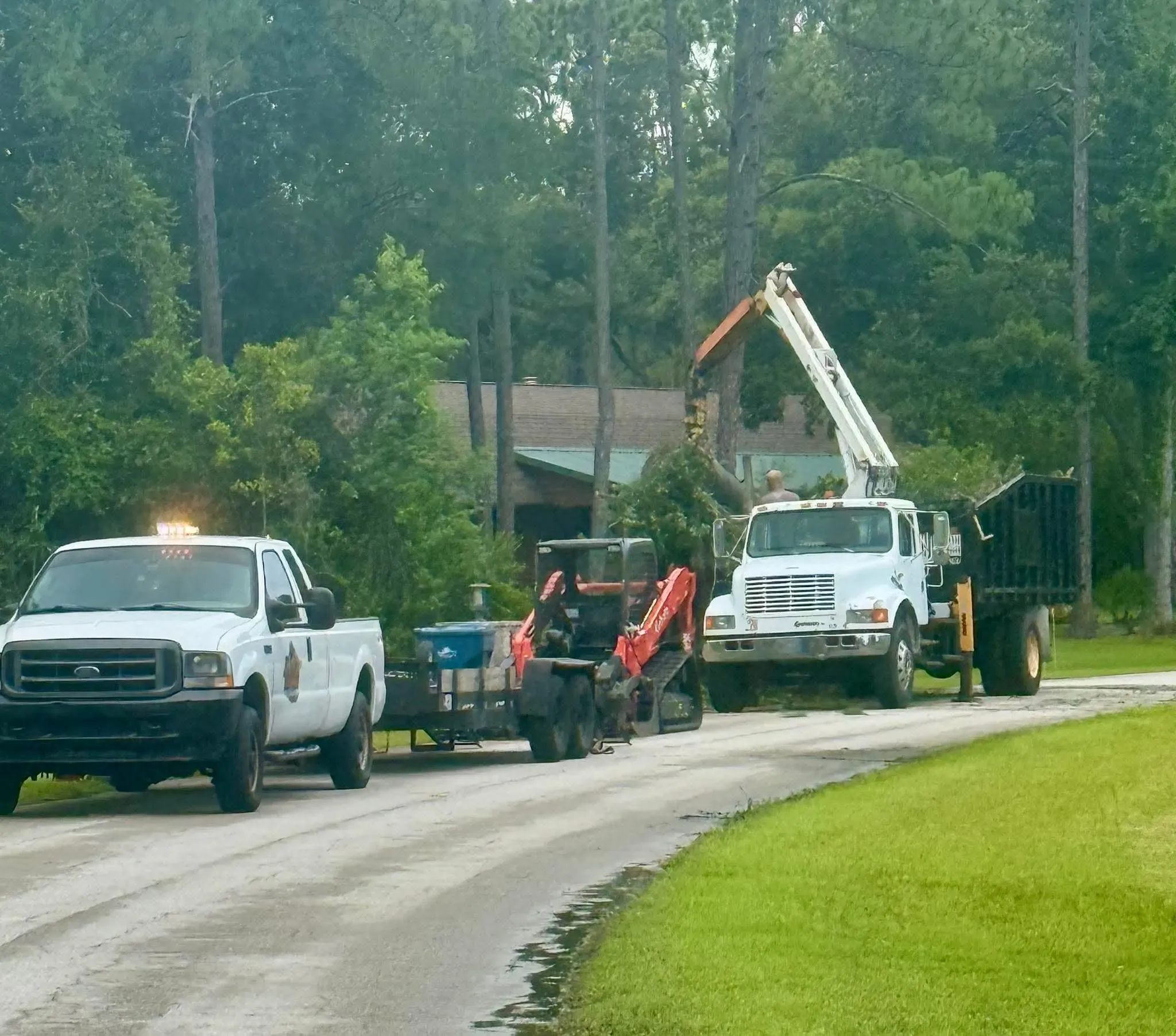
Preparing for a hurricane involves proactive measures that can save lives and property. Essential emergency readiness measures include:
- Pre-Storm Preparations: Create an emergency kit that includes food, water, medications, and important documents. Ensure that your home is fortified against potential damage.
- Emergency Response Plans: Develop a clear plan that outlines evacuation routes, communication strategies, and designated meeting points for family members.
- Know Local Regulations: Familiarize yourself with local emergency management protocols and debris disposal regulations to ensure compliance and effective response.
These measures are critical in minimizing the impact of hurricanes and ensuring that individuals and families are prepared for any eventuality.
Best Practices for Effective Debris Management
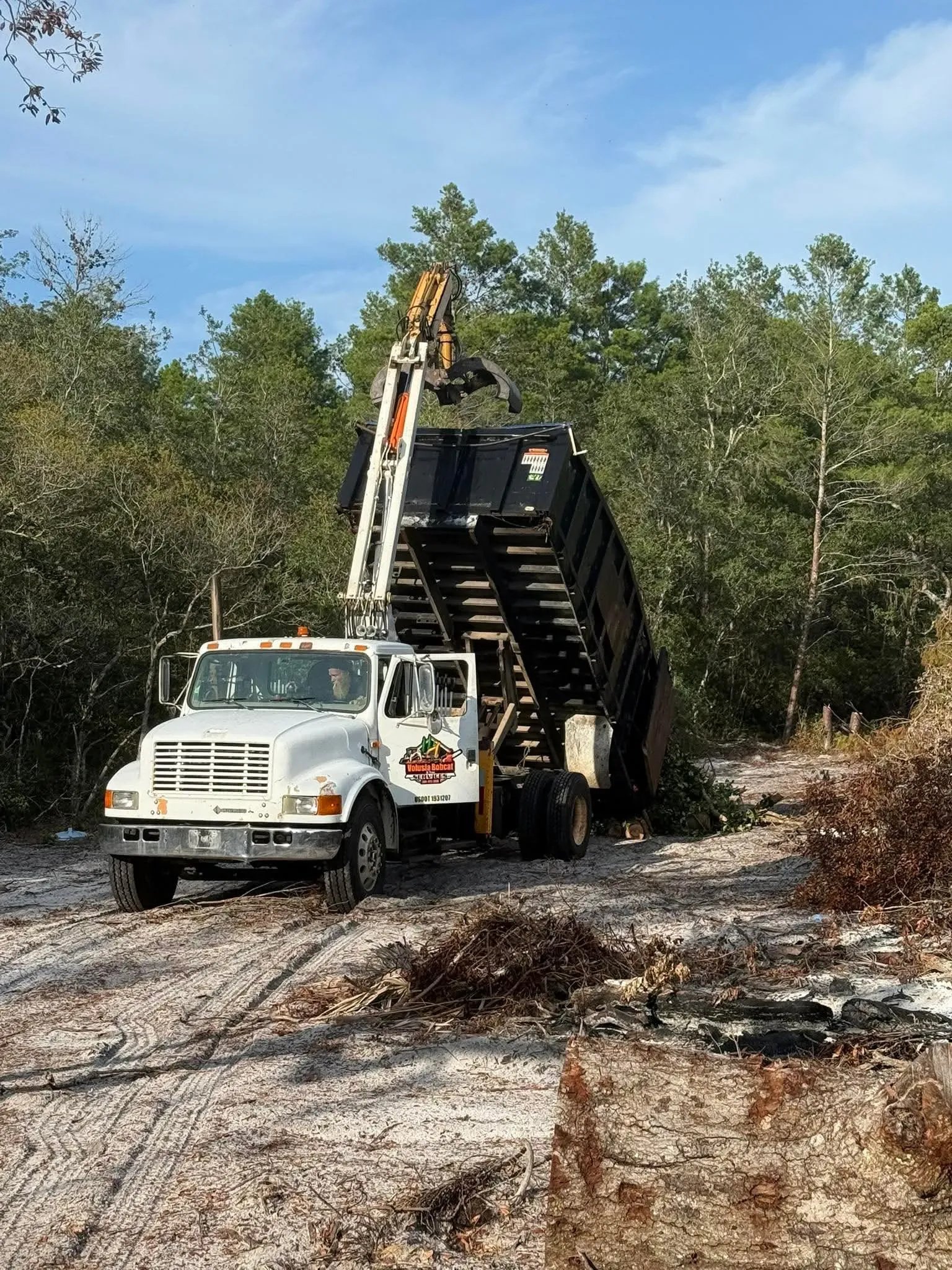
Post-hurricane debris management is essential for restoring normalcy in affected areas. Best practices include:
- Service Level Awareness: Understand the services provided by local waste management and emergency services. This knowledge helps residents know what to expect during cleanup efforts.
- Engage Local Resources: Collaborate with local organizations and volunteers to enhance cleanup efforts. Community engagement can lead to more efficient and effective debris removal.
- Follow Disposal Guidelines: Adhere to local guidelines for debris disposal to avoid fines and ensure that waste is processed correctly.
By following these best practices, communities can streamline their debris management processes and facilitate quicker recovery.
What Are the Key Steps in Planning for Hurricane Debris Removal in Florida?
Planning for hurricane debris removal involves several critical steps:
- Assessment of Debris Types: Identify the types of debris expected in your area, including vegetative waste, construction debris, and hazardous materials.
- Coordination with Local Authorities: Work with local emergency management agencies to understand the resources available for debris removal and the timeline for services.
- Establishing Timelines for Removal: Create a timeline for debris removal that aligns with local services and community needs, ensuring that cleanup efforts are timely and efficient.
These steps are vital for effective planning and can significantly impact the recovery process following a hurricane.
Further illustrating the scale of the challenge, studies have quantified the significant tree debris generation and associated cleanup costs following Florida hurricanes.
Florida Hurricane Debris: Tree Damage & Cleanup Costs
A random 10% sample of communities in highly-impacted counties from the 2004 and 2005 Florida, U.S. hurricane seasons were used to study tree debris generation and damage from seven hurricanes. Woody debris amounts in cubic meters (m3) (cubic yards; yd3) as well as rates and costs for cleanup, tree removal and pruning were obtained for these events. Average debris generation per 30.5 m (100 ft) of street segment ranged from 0.59 m3(0.77 yd3) for low damage, 3.4 m3(4.44 yd3) for moderate damage, and 17.47 m3(22.85 yd3) for high damage levels; cost of removal and disposal averaged $28.25 per m3($21.47 per yd3).
Hurricane debris and damage assessment for Florida urban forests, FJ Escobedo, 2009
How to Develop a Storm Debris Cleanup Checklist for Florida Residents
Creating a storm debris cleanup checklist can help residents stay organized and focused during recovery efforts. Key items to include are:
- Preparation Tips: Ensure that all necessary tools and equipment are readily available, including gloves, masks, and safety goggles.
- Essential Items to Include: List essential items such as trash bags, tarps, and first aid kits to facilitate efficient cleanup.
- Effective Cleanup Strategies: Outline specific strategies for tackling different types of debris, ensuring that residents know how to approach each situation safely.
A well-structured checklist can enhance the effectiveness of cleanup efforts and ensure that nothing is overlooked.
Which Safety Equipment Is Necessary for Effective Hurricane Aftermath Cleanup
Safety is paramount during hurricane cleanup. Necessary safety equipment includes:
- Personal Protective Equipment (PPE): Wear gloves, masks, and sturdy footwear to protect against injuries and exposure to hazardous materials.
- Tools and Equipment: Utilize tools such as chainsaws, rakes, and shovels for effective debris removal. Ensure that all equipment is in good working condition.
- Safety Protocols: Follow established safety protocols, including working in teams and communicating effectively to avoid accidents.
Using the right safety equipment and protocols can significantly reduce the risk of injury during cleanup efforts.
How Can Grappling Athletes and Coaches Prepare for Emergency Storm Situations in Florida?
Grappling athletes and coaches can take specific steps to prepare for emergency storm situations:
- Emergency Readiness Plans: Develop plans that include securing training facilities and ensuring that athletes have access to emergency supplies.
- Community Engagement: Engage with local grappling communities to share resources and strategies for effective storm preparedness.
By fostering a culture of preparedness, grappling communities can enhance their resilience against hurricanes.
What Emergency Readiness Plans Should Athletes Implement Before a Hurricane
- Documenting Damage: Keep records of equipment and facilities to assess potential losses after a storm.
- Securing Emergency Contacts: Ensure that all athletes have access to emergency contact information for coaches and local authorities.
These plans can help athletes navigate the challenges posed by hurricanes effectively.
How Community Engagement Supports Storm Preparedness Among Florida Grappling Enthusiasts
- Community Resources: Leverage local resources such as training facilities and volunteer networks to enhance preparedness efforts.
- Engagement Strategies: Organize community meetings and training sessions to educate grappling enthusiasts about emergency preparedness.
By fostering strong community ties, grappling athletes can better prepare for storm situations.
What Are the Local Regulations and Best Practices for Hurricane Debris Disposal in Florida?
Understanding local regulations is essential for effective debris disposal. Key points include:
- Debris Categories and Disposal Rules: Familiarize yourself with the categories of debris recognized by local authorities, including vegetative waste and construction debris.
- Separation Requirements: Follow guidelines for separating different types of debris to facilitate efficient disposal.
- Permits: Be aware of any permits required for large-scale debris removal efforts.
Adhering to these regulations ensures compliance and promotes effective debris management.
Which Items Are Classified as Hurricane Debris Under Florida Regulations
- Vegetative Waste: Includes branches, leaves, and other organic materials.
- Construction Debris: Comprises materials such as wood, drywall, and roofing materials.
Understanding these classifications helps residents manage debris effectively.
Indeed, effective debris management is a complex undertaking, encompassing a wide array of materials and presenting significant logistical challenges in the aftermath of a disaster.
Disaster Debris Management: Types, Challenges & Recovery
After a disaster, when a region turns its attention to rebuilding, one of the greatest challenges to moving forward may involve how to properly manage debris generated by the event. Options include typical methods of waste management-landfilling, recycling, or burning. The challenge after a major disaster e.g., a building or bridge collapse, or a flood, hurricane, or earthquake is in managing significantly greater amounts of debris often left in the wake of such an event. Debris after a disaster may include waste soils and sediments, vegetation trees, limbs, shrubs, municipal solid waste common household garbage, personal belongings, construction and demolition debris in some instances, entire residential structures and all their contents, vehicles cars, trucks, boats, food waste, so-called white goods refrigerators, freezers, air conditioners, and household hazardous waste cleaning agents, pesticides, pool chemicals.
Managing disaster debris: Overview of regulatory requirements, agency roles, and selected challenges, 2010
How to Comply with Florida’s Storm Damage Debris Management Policies
- Documentation: Keep records of all debris removal efforts for reporting to local authorities.
- Environmental Considerations: Ensure that debris disposal methods comply with environmental regulations to protect local ecosystems.
Following these steps can help residents navigate the complexities of debris management.
How Do Community Cleanup Initiatives Enhance Hurricane Debris Removal Efforts in Florida?
Community cleanup initiatives play a vital role in enhancing debris removal efforts. Key aspects include:
- Role of Local Organizations: Local organizations often coordinate cleanup efforts, providing resources and volunteers to assist in debris removal.
- Community Participation: Engaging community members in cleanup initiatives fosters a sense of responsibility and collective action.
These initiatives can significantly improve the efficiency and effectiveness of debris removal efforts.
What Role Do Local Organizations Play in Coordinating Storm Debris Removal
- Facilitating Communication: They serve as a bridge between residents and local authorities, ensuring that cleanup efforts are well-organized.
- Resource Allocation: Local organizations often provide necessary resources, such as equipment and volunteers, to support cleanup efforts.
Their involvement is crucial for effective community response.
How to Participate Safely in Florida’s Post-Hurricane Cleanup Programs
- Safety Protocols: Follow established safety protocols to minimize risks during cleanup efforts.
- Community Resources: Utilize community resources for training and support to ensure safe participation.
By prioritizing safety, community members can contribute effectively to recovery efforts.