By Digital Service Solutions, Volusia Bobcat & Tree Service
Communities in Volusia County regularly face significant challenges in debris management and cleanup after major storms. Hurricane Ian’s 2022 aftermath first brought this need into sharp focus, and the lessons learned from that recovery continue to inform how residents and service providers approach cleanup after any storm today. This guide provides an in-depth, ongoing look at the essential services available for effective storm debris removal, the processes involved, and best practices for residents and service providers alike, whether the debris comes from a hurricane, tropical storm, or severe local weather event. Understanding the complexities of debris cleanup is crucial for ensuring safety and compliance with local regulations. This article will cover the available services, the processes involved in cleanup, best practices for effective debris management, and the regulatory compliance necessary for safe disposal. By the end, residents will be equipped with the knowledge to navigate storm recovery effectively, whenever it occurs.
The critical nature of effective debris management in disaster response, including its health implications and impact on emergency services, is widely recognized.
Disaster Debris Management: Health, Response & Best Practices Debris management is a critical function of disaster response activities. Debris can represent a serious health hazard in its own right, can hamper emergency response, and, by clogging streams and waterways, promote flooding. During an actual disaster, time is a limiting factor for the formulation and testing of improved debris management approaches. The time to improve management and technical approaches is before disasters strike. This report proposes that research can be effective in improving emergency response regarding debris management. This study investigated three aspects of debris management debris management in stream beds, hazardous aspects of debris, and the use of geospatial measurements and techniques to improve management. The state of the practice for each was established. Areas of research opportunities were then identified and discussed. This document can serve as a framework for a debris management research focus area, which will provide guidance for emergency management organizations and professionals. Enhanced Tools and Techniques to Support Debris Management in Disaster Response Missions (Flood and Coastal Storm Damage Reduction Research and …, VF Medina, 2009
Available Services:
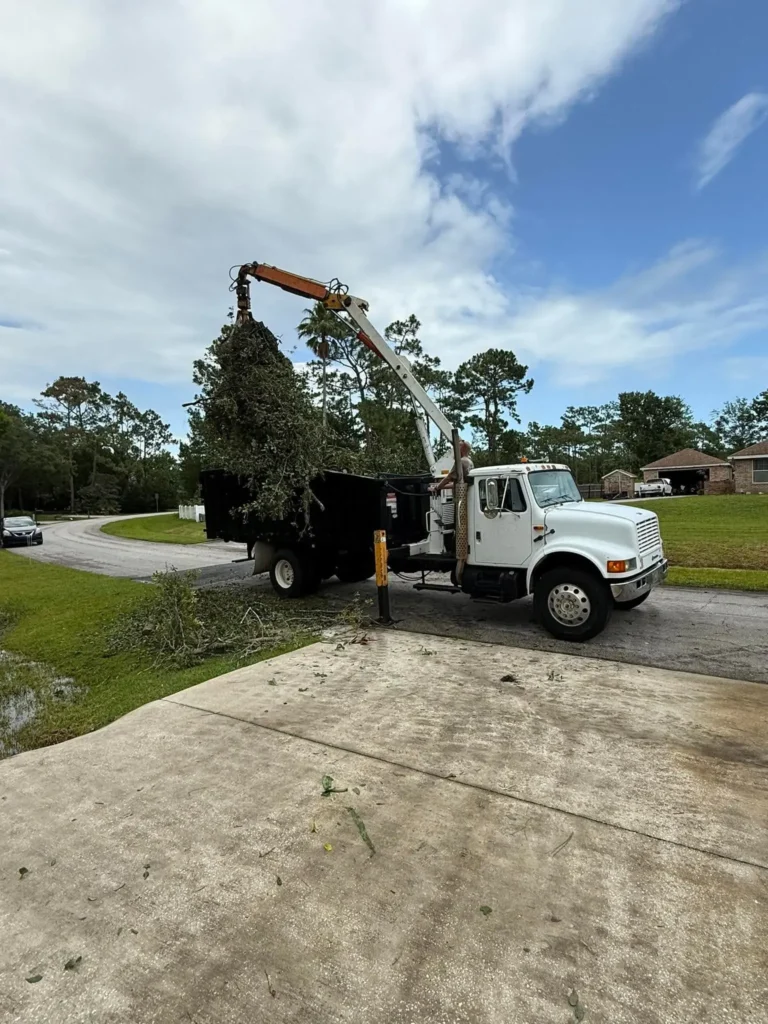
Volusia County offers a range of services to assist residents in the aftermath of Hurricane Ian. These services are designed to address vegetative waste, construction debris, and recyclable wood.
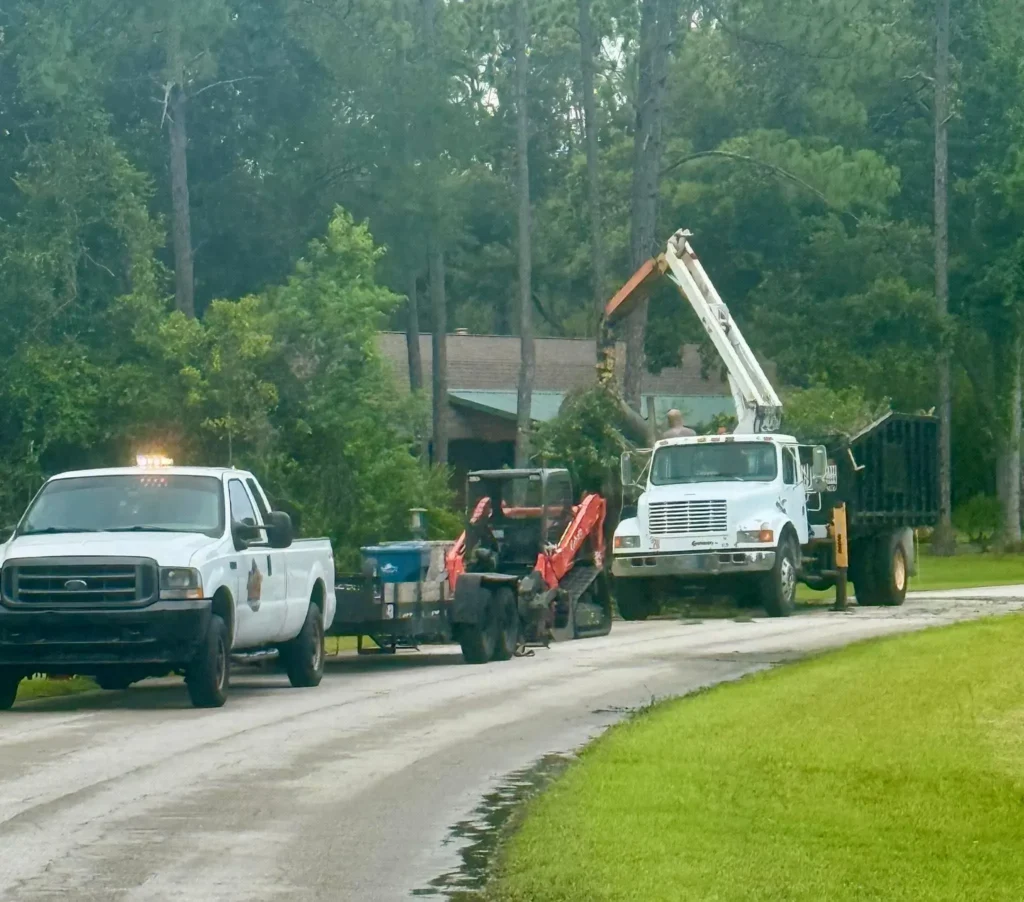
- Grapple Truck Services: Specialized trucks equipped with hydraulic arms for quick and efficient debris removal. These trucks can handle large volumes of brush, fallen trees, and mixed debris, making them essential for post-storm cleanup.
- Emergency Storm Debris Cleanup: Available 24/7, this service provides rapid response to clear storm-related debris, ensuring that affected areas are safe and accessible as soon as possible.
- Land Clearing Services: Tailored for both residential and commercial projects, these services include site preparation for development and the removal of hazardous materials.
For residents seeking assistance, Volusia Grapple offers these services and can be contacted at (386) 675-7898 for assessments and scheduling.
Professional Grapple Truck and Debris Removal Services
The debris cleanup process involves several critical steps to ensure safety and efficiency. Understanding these processes can help residents prepare for the cleanup efforts.
Initial Contact and Site Assessment
Crews begin by assessing the types and volumes of debris present, determining access constraints, and identifying hazardous materials that may require special handling. This initial assessment is crucial for planning the subsequent removal operations.
On-Site Removal Procedures
Once the assessment is complete, crews establish safety zones, protect utilities, and separate hazardous materials before loading debris into grapple trucks. This step ensures that the removal process is conducted safely and efficiently.
Transport to Disposal Facilities
After debris is collected, it is transported to permitted disposal or recycling centers, following local regulations. Proper disposal is essential to minimize environmental impact and comply with county guidelines.
Best Practices for Effective Debris Removal and Management:
To ensure a successful cleanup operation, residents and service providers should adhere to best practices for debris management.
- Segregation of Debris: Separate vegetative waste, construction debris, and hazardous materials to comply with county regulations. This practice not only facilitates easier disposal but also promotes recycling efforts.
- Documentation of Damage: Take photos and notes of damage for insurance and reporting purposes before removal. This documentation can be vital for claims and recovery processes.
- Prioritize Safety: Clear access for emergency responders first, then schedule larger debris removal. Ensuring that emergency services can operate effectively is paramount during recovery efforts.
Regulatory Compliance:
Understanding local regulations governing debris disposal is essential for residents and service providers involved in cleanup efforts.
Adhering to specific guidelines and regulations is paramount for ensuring that post-disaster debris management plans are environmentally sound and legally compliant.
Post-Disaster Debris Compliance & Regulations debris management plans are in compliance with environmental and historic regulations. restrictions for post-disaster debris, or cases where debris is left Local debris management planning and FEMA policies on disaster recovery in the United States, J Crowley, 2018
Disposal Regulations
Vegetative waste must be separated and either chipped or landfilled, while construction debris requires licensed landfill disposal. Adhering to these regulations helps protect the environment and ensures compliance with local laws.
Permit Requirements
Residents should check with local authorities for necessary permits, especially for tree removal or land clearing in conservation areas. Obtaining the proper permits is crucial to avoid fines and ensure that cleanup efforts are conducted legally.
Contact Information:
For residents seeking assistance with debris cleanup, Volusia Grapple can be reached at (386) 675-7898. They provide services including assessments, scheduling, and pricing inquiries, ensuring that residents have access to the necessary resources for effective cleanup.
What Are the Essential Storm Debris Removal Services Available in Volusia County?
Choosing among grapple truck services, emergency cleanup, and land clearing generally comes down to the scale and urgency of the debris on a property. Grapple trucks are the most efficient option for large volumes of brush, fallen trees, and mixed debris, while emergency crews are better suited to blocked driveways, roads, or hazards that need same-day attention. Land clearing services come into play when a lot or job site needs to be fully cleared before rebuilding or new construction can proceed.
Residents can typically expect faster turnaround with grapple truck and emergency services, while land clearing projects — especially larger commercial sites — may take longer to schedule due to the added site preparation and permitting involved. Matching the service to the debris type and urgency helps avoid delays and unnecessary costs during recovery.
Which Types of Debris Are Commonly Removed After Hurricane Ian?
After Hurricane Ian, various types of debris are typically encountered, including:
- Vegetative Waste: This includes fallen branches, tree limbs, and other organic materials that can be composted or chipped.
- Construction Debris: This category encompasses materials from damaged structures, such as roof shingles, siding, and other building materials that require special handling.
- Recyclable Wood: Collected separately for reuse or mulch production, this type of debris is handled by County Recycling Services.
Understanding the types of debris can help residents prepare for the cleanup process.
How Do Local Cleanup Services Address Flood Damage Debris Hauling?
Local cleanup services employ several methods to address flood damage debris hauling effectively.
Initial Survey
Crews assess the types and volumes of debris present, which is crucial for planning the cleanup operation.
Fleet Deployment
Multiple grapple trucks are dispatched to the affected areas to ensure a swift response to the debris accumulation.
Disposal Routing
Collected debris is transported to designated county facilities for proper disposal, ensuring compliance with local regulations.
How Can Residents Access Emergency Hurricane Cleanup Resources Effectively?
Residents can access emergency hurricane cleanup resources through various channels:
- Grapple Truck Services: Fast, heavy-duty debris collection using hydraulic trucks.
- County Services: Handles vegetative waste, which must be separated and either chipped or landfilled.
- Private Providers: Offer rapid mobilization and dedicated hauling to permitted facilities.
By understanding these resources, residents can ensure timely and effective cleanup efforts.
What Safety Protocols Should Athletes and Coaches Follow During Cleanup?
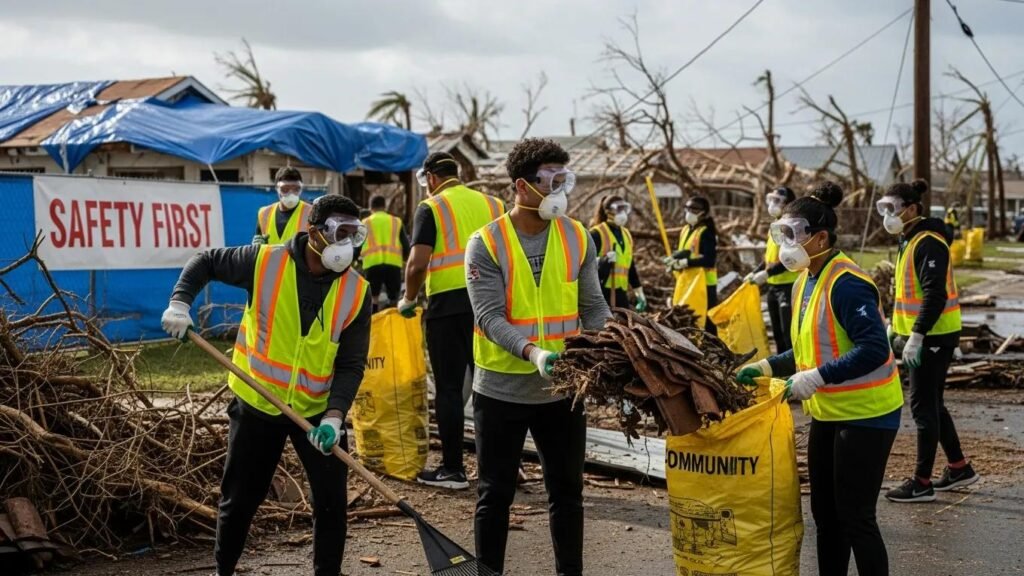
Athletes and coaches involved in cleanup efforts should adhere to specific safety protocols to ensure their well-being:
- Personal Protective Equipment: Always wear appropriate gear, including gloves, masks, and safety goggles, to protect against debris and hazardous materials.
- Hazard Awareness: Be aware of potential hazards, such as downed power lines and unstable debris, to avoid accidents.
- Emergency Contact Procedures: Establish clear communication channels for reporting injuries or emergencies during cleanup activities.
Where to Find Local Service Providers for Post-Storm Waste Disposal?
Beyond knowing which type of service to call, residents benefit from knowing how to evaluate a provider before debris starts piling up. A few practical checks help ensure the crew that arrives can actually get the job done safely and legally:
- Confirm Equipment Capability: Ask whether the provider operates grapple trucks and heavy hauling equipment on-site, rather than subcontracting out — this affects both response time and cost.
- Verify Disposal Routing: A reputable provider should be able to explain where debris is taken (chipping, recycling, or a licensed landfill) and confirm the site is permitted to accept it.
- Check Availability for Emergencies: Confirm whether the provider offers after-hours or same-day response, since debris blocking a driveway or road often can’t wait for a standard business-hours appointment.
Vetting a provider on these points before a storm hits — rather than during the scramble afterward — helps residents avoid delays and ensures debris is handled in line with county disposal requirements.
What Are the Key Local Regulations Governing Disaster Cleanup in Volusia County?
Beyond the disposal-facility and permit rules covered earlier, Volusia County also enforces specific placement, timing, and enforcement requirements for debris left at the curb or in public right-of-ways during a disaster cleanup.
Curbside Placement Rules
Debris should be sorted into separate piles — vegetative debris, construction and demolition debris, and household hazardous waste — and kept clear of storm drains, mailboxes, fire hydrants, and utility boxes. Piles placed too close to these features can delay pickup or create additional safety hazards for collection crews.
Enforcement and Penalties
Disposing of debris in unauthorized locations, such as waterways, wetlands, or conservation land, can result in fines and potential liability for environmental damage. This makes it important to work with licensed haulers who route debris to permitted disposal or recycling facilities rather than risking informal dumping.
Which Guidelines Govern Safe and Compliant Storm Debris Disposal?
Beyond the disposal-site and permit rules already covered, compliant storm debris disposal also depends on how the hauling itself is documented and verified — details that matter most when insurance claims or FEMA reimbursement are involved.
- Hauler Licensing and Insurance: Confirm that any contractor collecting or transporting debris carries proper licensing and liability insurance, protecting residents from responsibility if an incident occurs during removal.
- Chain-of-Custody Documentation: Reputable providers can account for where debris was collected and where it was ultimately disposed of or recycled, which supports insurance claims and any FEMA-related reimbursement requests.
- Load Tracking for Reimbursement: For larger cleanup efforts, documenting truck loads and disposal tickets helps residents and providers substantiate volumes removed, a common requirement when disaster-related costs are reviewed for compliance.
Following these guidelines, alongside the separation and permit requirements outlined earlier, helps ensure debris disposal stays both environmentally sound and audit-ready.
How Do FEMA and Volusia County Policies Impact Cleanup Operations?
FEMA and Volusia County policies play a significant role in shaping cleanup operations following disasters. These policies provide guidelines for funding, resource allocation, and compliance with federal regulations, ensuring that cleanup efforts are effective and efficient.
How Is the Volusia Grapple Community Engaged in Post-Hurricane Ian Recovery Efforts?
The Volusia Grapple community actively participates in recovery efforts by providing essential services and resources to residents affected by Hurricane Ian. Their commitment to community support is evident in their rapid response and dedication to restoring safety and accessibility.
What Community Recovery Stories Highlight Effective Cleanup Collaboration?
Numerous community recovery stories illustrate the power of collaboration in cleanup efforts. These stories highlight how local organizations, volunteers, and service providers come together to support residents during challenging times, showcasing the resilience and strength of the Volusia County community.
How Does Volusia Grapple Provide Trusted Cleanup Resources to Athletes?
Volusia Grapple offers trusted cleanup resources to athletes by ensuring that safety protocols are followed and providing access to necessary equipment and services. Their commitment to supporting the community extends to athletes, ensuring that they can participate in recovery efforts safely and effectively.