By Digital Service Solutions, Volusia Bobcat & Tree Service
In the realm of landscaping and site work, the efficiency of operations often hinges on the quality and suitability of equipment used. Professional bobcat services and equipment rentals play a crucial role in enhancing productivity and ensuring that projects are completed on time and within budget. This article delves into the various equipment options available for rental, the pricing structures associated with these services, and the safety guidelines that operators should follow. By understanding these elements, individuals and businesses can make informed decisions that optimize their landscaping and site preparation efforts.
What Equipment Options Are Available for Bobcat and Small Equipment Rentals?
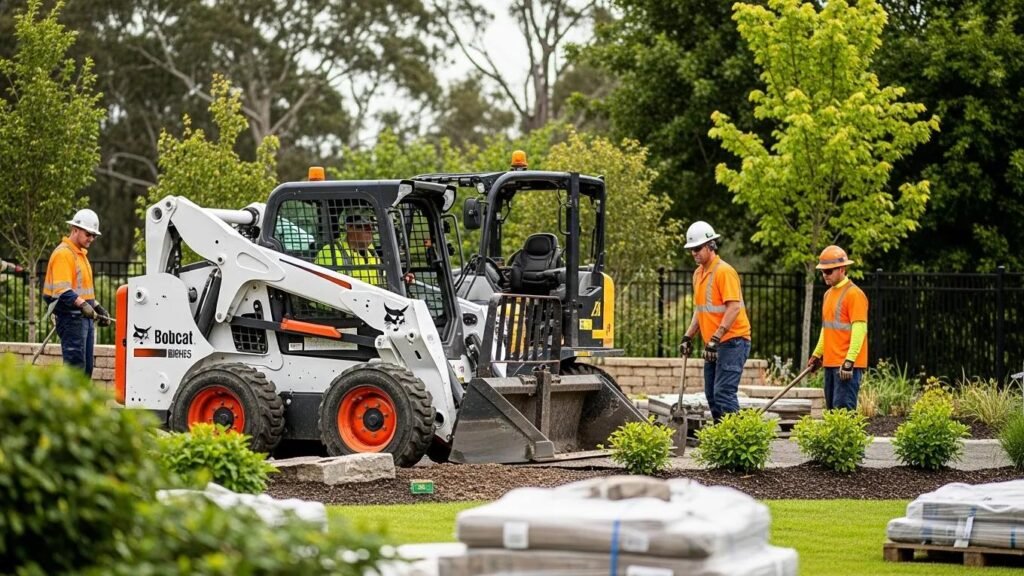
When considering bobcat and small equipment rentals, a variety of options are available to meet diverse landscaping needs. These include compact track loaders, bobcat loaders, and mini excavators, each designed for specific tasks and environments. Utilizing the right equipment not only enhances efficiency but also ensures that projects are executed with precision.
Which Bobcat Loaders and Compact Track Loaders Suit Landscaping Projects?
Bobcat loaders and compact track loaders are essential for various landscaping tasks, including grading, excavation, and material handling. The Bobcat E165 and E165 Compact Track Loader are particularly well-suited for landscaping projects due to their versatility and power. These models offer excellent maneuverability in tight spaces, making them ideal for residential landscaping. Their robust design allows them to handle heavy loads, ensuring that tasks are completed efficiently.
What Mini Excavator Models Are Offered for Site Preparation?
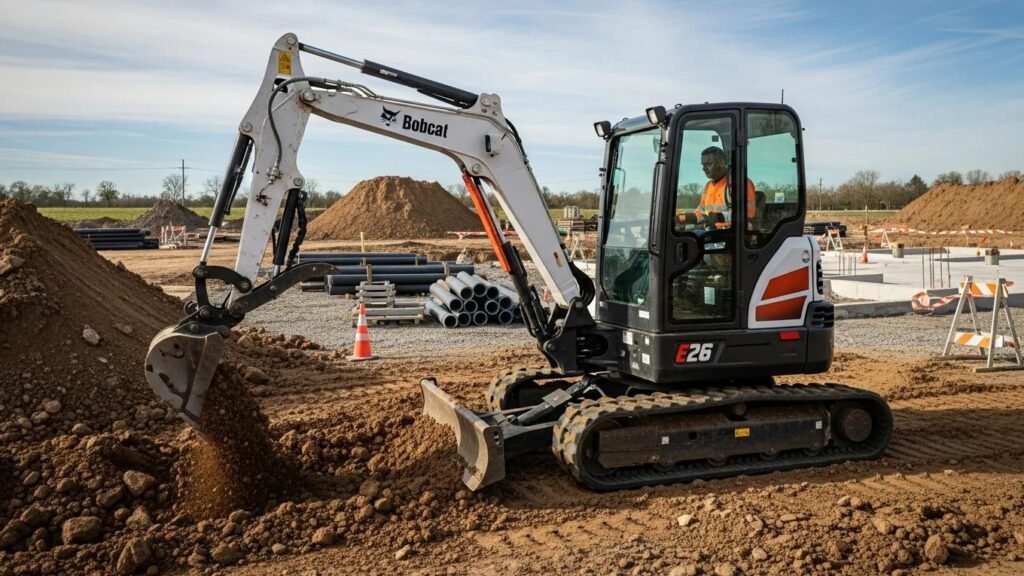
Mini excavators are invaluable for site preparation, providing the ability to dig, lift, and move materials with ease. Models such as the Bobcat E26 and E35 are popular choices for landscaping projects. The E26 is compact yet powerful, making it suitable for small to medium-sized jobs, while the E35 offers enhanced digging depth and reach, making it ideal for larger site preparation tasks. Both models are designed for ease of use, allowing operators to work efficiently and effectively.
How Does Equipment Rental Pricing Work for Landscaping and Site Work?
Understanding the pricing structure for equipment rentals is essential for budgeting and planning. Rental costs can vary based on several factors, including the type of equipment, rental duration, and any additional services required. Typically, daily, weekly, and monthly rates are available, allowing customers to choose the option that best fits their project timeline and budget.
| Equipment Type | Daily Rate | Weekly Rate | Monthly Rate |
|---|---|---|---|
| Bobcat Loader | $200 | $800 | $2,400 |
| Mini Excavator | $250 | $1,000 | $3,000 |
| Compact Track Loader | $225 | $900 | $2,700 |
This table illustrates the typical rental rates for various equipment types, providing a clear overview for potential renters.
What Are Typical Rental Durations and Associated Costs?
When renting equipment, understanding typical rental durations is crucial for effective project management. Most rentals are available on a daily, weekly, or monthly basis, with costs decreasing per day for longer rental periods. For instance, a daily rental may cost $200, while a weekly rental could be $800, offering significant savings for extended use.
Are There Flexible Rental Terms for Short-Term and Long-Term Use?
Flexibility in rental terms is a significant advantage for businesses and individuals engaged in landscaping and site work. Many rental companies offer customizable agreements that cater to both short-term and long-term needs. This flexibility allows customers to adjust their rental duration based on project requirements, ensuring they have the necessary equipment without incurring unnecessary costs.
Bobcat and Small Equipment Rental Options
Safety is paramount when operating heavy machinery such as bobcats and excavators. Operators must adhere to strict safety guidelines to prevent accidents and ensure a safe working environment. Key safety practices include wearing appropriate personal protective equipment (PPE), conducting pre-operation checks, and following operational safety protocols.
What Are Essential Operator Safety Practices for Bobcat Loaders?
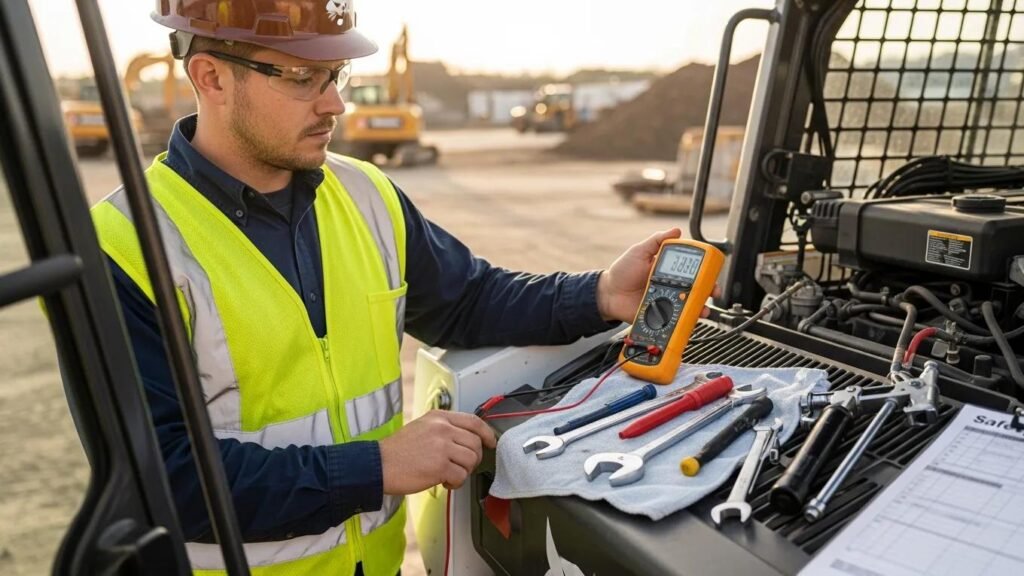
Operators of bobcat loaders should follow essential safety practices to minimize risks. These include:
- Pre-Operation Checks: Inspecting the equipment for any signs of wear or damage before use.
- Proper Training: Ensuring that all operators are trained and certified to operate the machinery safely.
- Awareness of Surroundings: Maintaining awareness of the worksite and potential hazards, including overhead lines and bystanders.
How Can Certified Operators Ensure Safe Mini Excavator Use?
Certified operators play a crucial role in ensuring the safe use of mini excavators. They should:
- Follow Manufacturer Guidelines: Adhering to the manufacturer’s operational guidelines and safety recommendations.
- Utilize Safety Features: Making use of safety features such as backup alarms and seat belts.
- Conduct Regular Training: Participating in ongoing training to stay updated on safety practices and equipment operation.
How Can Landscaping and Site Preparation Benefit from Professional Bobcat Services?
Utilizing professional bobcat services can significantly enhance the efficiency and effectiveness of landscaping and site preparation projects. These services provide access to skilled operators and well-maintained equipment, ensuring that tasks are completed to a high standard. Additionally, professional services can help reduce project timelines and costs, making them a valuable investment for any landscaping endeavor.
What Site Work Techniques Optimize Equipment Efficiency?
To maximize the efficiency of equipment during site work, several techniques can be employed:
- Proper Load Distribution: Ensuring that loads are evenly distributed to prevent equipment strain.
- Regular Maintenance: Conducting routine maintenance checks to keep equipment in optimal working condition.
- Effective Planning: Planning work sequences to minimize downtime and maximize productivity.
How Does Equipment Choice Impact Earthmoving and Site Grading?
The choice of equipment has a direct impact on the efficiency of earthmoving and site grading tasks. Selecting the right machinery for specific tasks can lead to improved performance and reduced operational costs. For instance, using a mini excavator for precise digging tasks can enhance accuracy and reduce the need for rework, ultimately saving time and resources.
Further research emphasizes the critical role of strategic equipment selection in achieving optimal construction efficiency and cost-effectiveness.
Optimizing Equipment Selection for Construction Efficiency
evidence of the model’s effectiveness in a real-world application. The study introduces a groundbreaking approach to optimizing equipment selection in highway construction.
Advancing equipment management for construction: introducing a new model for cost, time and quality optimization, O Alshboul, 2026