Eco-Friendly Tree Debris Disposal: Top Green Waste Tips
Nearly half of all yard and tree trimmings end up in landfills each year, yet property owners can transform this organic material into valuable resources through sustainable practices. This guide delivers practical, eco-friendly tips on mulching, composting, wood recycling and the efficient use of grapple trucks, maps local Florida regulations and outlines how these methods boost soil health, reduce carbon emissions and enhance property value. Readers will learn the most effective disposal methods, actionable on-site strategies, the environmental benefits, compliance requirements, equipment advantages and strategic questions to guide green debris removal decisions. By applying these sustainable tree debris disposal tips, property owners secure healthier landscapes while supporting environmental stewardship.
What Are the Most Effective Eco-Friendly Tree Debris Disposal Methods?
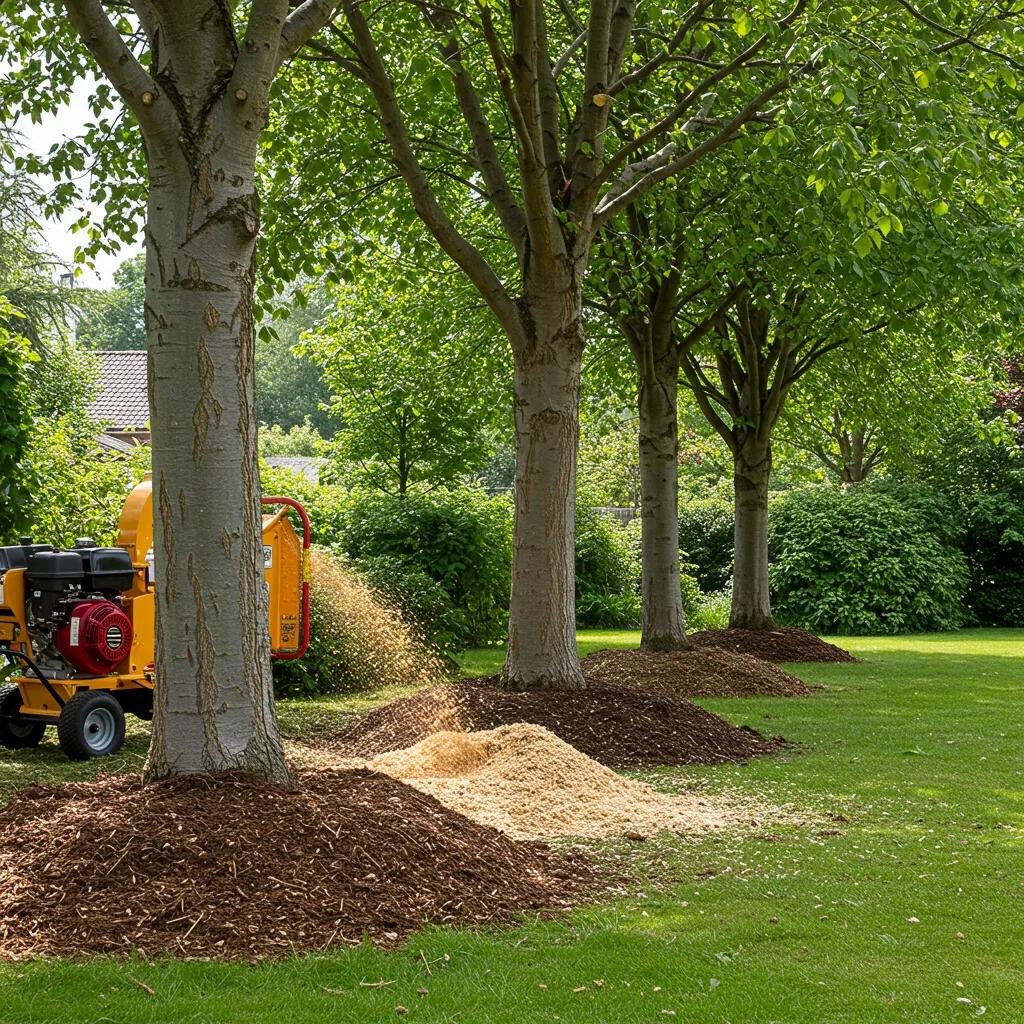
Eco-friendly disposal methods convert organic tree waste into beneficial products or renewable energy, reducing landfill load and promoting resource conservation. The top four approaches are mulching, composting, wood recycling and mechanised hauling with grapple trucks, each offering distinct mechanisms and outcomes.
Below is a comparison of leading green disposal options:
| Disposal Method | Mechanism | Primary Benefit |
|---|---|---|
| Mulching | Chipping branches into small wood fragments | Improves soil structure and moisture |
| Composting | Controlled aerobic decomposition of yard waste | Produces nutrient-rich soil amendment |
| Wood Recycling | Processing logs into lumber or biomass fuel | Conserves timber resources and reduces emissions |
| Grapple Truck Hauling | Mechanised collection and transport | Cuts fuel use and minimises site disturbance |
Each method diverts organic debris from the landfill and contributes to a circular waste cycle, setting the stage for deeper exploration of mulching benefits.
How Does Mulching Improve Soil Health and Reduce Waste?
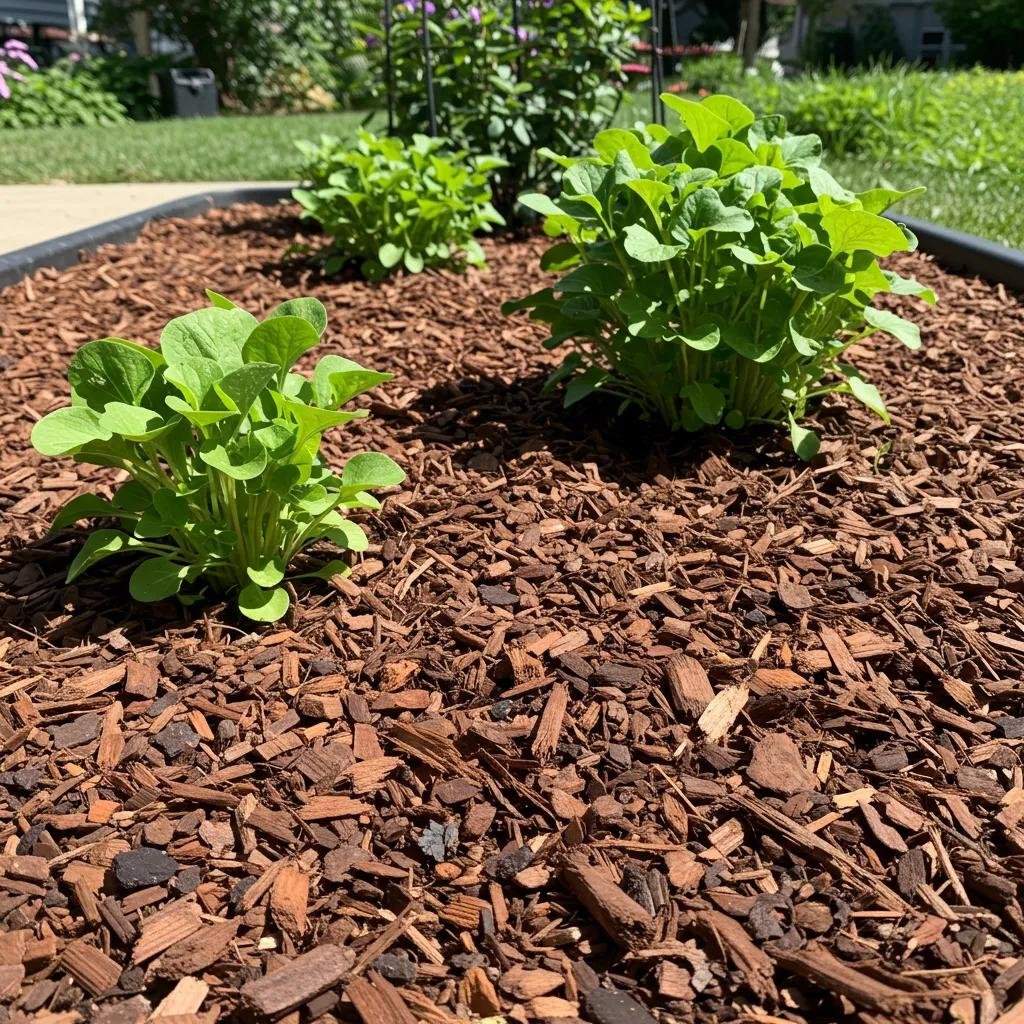
Mulching transforms tree branches into wood chips that enrich soil by retaining moisture, moderating temperature and suppressing weed growth. This process begins with a wood chipper shredding branches, releasing organic compounds that decompose slowly to feed soil microorganisms. For example, a 3-inch layer of wood chip mulch can reduce irrigation needs by up to 40 percent while limiting weed emergence.
Key benefits of mulch include:
- Enhanced moisture retention in root zones
- Natural weed suppression through light blockage
- Gradual nutrient release supporting plant growth
By converting cuttings into mulch, property owners reduce disposal volume and foster healthier landscapes, creating a clear transition to on-site composting techniques.
What Are the Steps to Compost Tree and Yard Waste Sustainably?
Composting tree and yard debris involves layering organic material, monitoring moisture and aerating the pile for controlled decomposition that yields fertile humus. Property owners can follow three core steps:
- Assemble alternating layers of brown material (wood chips, dried leaves) and green material (grass clippings, fresh pruning).
- Maintain moisture at a damp-sponge level and turn the pile every two weeks to supply oxygen.
- Allow six to twelve months for full decomposition before applying the finished compost to gardens or beds.
This step-by-step approach minimises odours and accelerates nutrient cycling. Achieving balanced layers and proper aeration produces rich compost that enhances soil fertility and continues the conversation on wood recycling benefits.
Composting Garden Waste: A Guide to Small-Scale Composting of Food and Garden Waste
If kitchen waste is to be mixed with garden waste, the turning method is recommended. However, containment systems or heaps may be suitable when precautions are taken to minimise pest problems.
Composting to reduce the waste stream-A guide to small scale food and yard waste composting, T Richard, 1991
How Can Wood Recycling Contribute to Environmental Conservation?
Wood recycling repurposes logs and large branches into construction lumber, furniture or biomass fuel, preserving forests and cutting greenhouse gas emissions. Local mills or biomass plants accept clean wood waste to produce renewable energy or reclaimed timber, promoting resource efficiency and habitat protection.
| Wood Byproduct | Common Uses | Environmental Impact |
|---|---|---|
| Reclaimed Lumber | Decking, furniture | Reduces demand for virgin timber |
| Biomass Pellets | Heat and power | Lowers reliance on fossil fuels |
| Decorative Mulch | Landscapes, walkways | Diverts mulch from landfills |
By diverting tree waste into new applications, recycling fortifies resource conservation and sets the framework for leveraging specialized equipment in green disposal.
What Role Do Grapple Trucks Play in Green Debris Removal?
Grapple trucks feature hydraulic arms and clamshell attachments that grasp, compact and load bulky tree debris more quickly than manual labor, minimising fuel consumption and site disruption. These vehicles streamline collection, reducing operation time by up to 50 percent and lowering carbon output per cubic yard removed.
Beyond speed, grapple trucks decrease soil compaction by limiting repeated machine passes, preserving root structures and supporting ecosystem health. Certified arborists often integrate this equipment into sustainable service offerings, ensuring a seamless bridge to property-owner implementation practices.
How Can Property Owners Implement Sustainable Tree Waste Management Practices?
Property owners can adopt green disposal by configuring on-site processing, vetting eco-conscious providers and responsibly managing stumps. This holistic approach demands practical techniques, informed service selection and conscientious disposal of residual root structures to maintain landscape health and regulatory compliance.
By combining these practices, owners enhance soil vitality, limit environmental impact and prepare for the detailed strategies below.
What Are Practical Tips for On-Site Mulching and Debris Reduction?
Effective on-site mulching begins with segmenting larger branches and positioning the chipper near the waste source to minimise transport within the property. Property owners should:
- Pre-sort debris into chip-ready and compost-ready piles.
- Maintain chipper blades for consistent fragment size.
- Apply fresh wood chips around trees at a 2–4 inch depth, avoiding trunk contact.
Implementing these measures reduces haulage volume by up to 60 percent and integrates debris directly into landscape maintenance, leading into how to evaluate green service providers.
How to Choose Green Waste Removal Services That Prioritize Sustainability?
Selecting an eco-minded contractor involves assessing equipment, certifications and disposal commitments. Key criteria include:
- Use of chippers, grinders and grapple trucks for on-site processing
- Proof of partnership with recycling facilities or composting sites
- Arborist credentials and state permit compliance
- Transparent reporting on waste diversion rates
Service providers displaying these attributes demonstrate environmental responsibility and streamline the decision process toward responsible stump disposal.
How Does Responsible Stump Disposal Support Eco-Friendly Practices?
Stump grinding transforms root masses into wood chips that feed soils, while untreated stumps can be left to decompose naturally if infestation risk is low. Certified arborists recommend:
- Grinding stumps to below soil grade for chip reuse as mulch.
- Applying beneficial fungi or nematodes to accelerate natural decay.
- Using stump wood in habitat structures such as insect hotels.
This responsible approach eliminates waste, curbs invasive species and transitions seamlessly into the environmental benefits of green debris removal.
What Are the Environmental Benefits of Eco-Friendly Tree Debris Removal?
Eco-friendly removal enhances soil health, reduces greenhouse gas emissions and safeguards biodiversity. Sustainable debris management closes nutrient loops, diverts organic waste from landfills and promotes resilient urban and rural ecosystems.
By quantifying each benefit, property owners can appreciate the broad impact of green disposal methods and move forward into specific advantages.
How Does Mulching Enhance Soil Moisture Retention and Weed Suppression?
Mulch improves moisture retention by creating an insulating layer that reduces evaporation and maintains consistent root-zone humidity. It also blocks sunlight, preventing weed seeds from germinating. Over a growing season, these effects can diminish irrigation frequency by up to one third and slash herbicide use.
Through these mechanisms, mulching supports water conservation goals and integrated pest management efforts.
In What Ways Does Recycling Tree Waste Reduce Landfill and Carbon Footprint?
| Approach | Landfill Impact | Recycling Benefit |
|---|---|---|
| Organic Debris | Methane emissions | Carbon neutrality via biomass energy |
| Wood Materials | Resource depletion | Conserved timber through repurposing |
| Disposal Volume | High transport frequency | Reduced haulage with local recycling |
This comparison highlights how wood recycling directly cuts carbon footprints and fosters circular resource flows.
How Does Sustainable Debris Removal Protect Local Biodiversity and Habitats?
Sustainable debris removal shields habitats by avoiding clear-cut land clearing and encouraging selective pruning, which preserves canopy structure and understorey vegetation. Retaining leaf litter and branches in place supplies shelter and food for insects, amphibians and small mammals. These practices promote ecological balance and underpin broader conservation objectives.
Protecting native flora and fauna through mindful debris removal aligns stewardship goals with landscape health.
What Are the Florida-Specific Regulations Affect Eco-Friendly Tree Debris Disposal?
Florida property owners must navigate permit requirements, protected species ordinances and waste-handling rules that govern tree removal and green waste disposal. Compliance ensures legal operation, fosters habitat protection and supports state sustainability targets.
Understanding these regulations provides a foundation for responsible tree care in the Sunshine State.
How to Navigate Tree Removal Permits and Environmental Protection Laws in Florida?
Florida counties typically require removal permits for trees above a specified diameter or within designated conservation zones. Owners should:
- Submit an application with species inventory and removal rationale.
- Demonstrate on-site recycling or disposal plans.
- Coordinate with environmental agencies for wetlands or protected habitat impacts.
Following these steps reduces permitting delays and confirms eco-friendly intentions.
What Are the Consequences of Non-Compliance in Tree Debris Disposal?
Failing to adhere to disposal regulations can result in fines, stop-work orders and restoration mandates. Infractions may include illegal burning of green waste, dumping in unauthorized areas or failing to secure a removal permit. Penalties encourage adherence to sustainable practices and safeguard natural resources.
Recognising these risks underscores the importance of lawful, green disposal methods.
How Do Florida Environmental Regulations Encourage Sustainable Tree Services?
Florida incentives reward eco-minded contractors through expedited permit reviews for certified arborists, grants for on-site composting units and recognition programs promoting waste diversion achievements. These measures motivate service providers to invest in equipment and training that support green debris removal and community resilience.
Regulatory encouragement catalyses industry adoption of sustainable methods.
How Can Grapple Trucks Enhance Efficiency and Sustainability in Debris Removal?
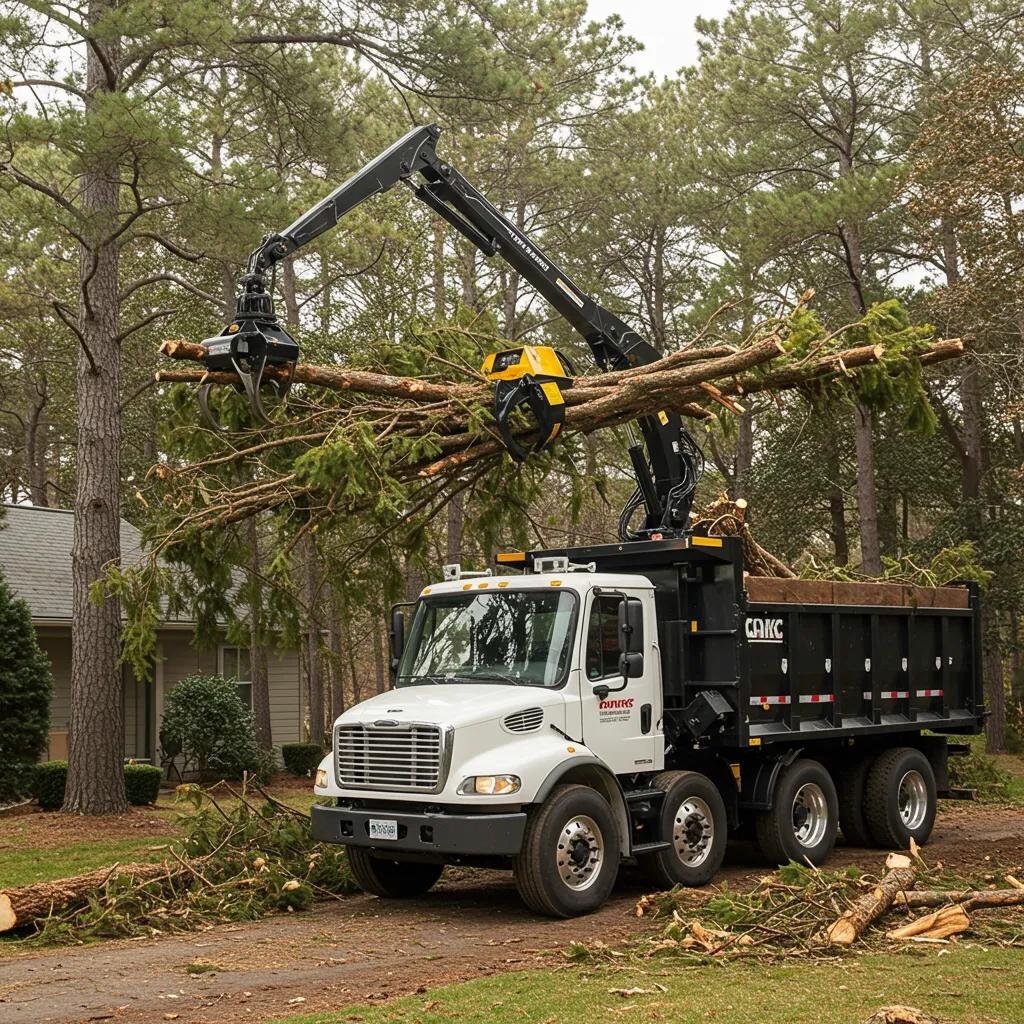
Grapple trucks unify speed and precision by gripping and transporting large volumes of branches and logs, cutting manpower needs and trip counts. Their hydraulic controls allow swift sorting and loading, reducing idling and overall fuel consumption.
Integrating grapple trucks into service offerings bolsters operational efficiency, priming safety and speed enhancements.
What Are the Environmental Advantages of Using Grapple Trucks for Tree Debris?
Grapple trucks minimise site disturbance by reducing repeated equipment passes, which preserves soil structure and prevents erosion. Their rapid loading capability lowers engine run time, translating to reduced greenhouse gas emissions per job. This technology supports sustainable disposal benchmarks and promotes cleaner air quality.
How Do Grapple Trucks Improve Safety and Speed in Green Waste Hauling?
By mechanising heavy lifting and transport, grapple trucks remove the need for manual handling of bulky debris, lowering injury risk and accelerating removal cycles. Operators maintain clear sightlines and remote controls that enhance precision, enabling faster cleanup without compromising worker safety.
Where to Find Expert Grapple Truck Services for Eco-Friendly Debris Removal in Florida?
Professional operators from Volusia Grapple Service – Tree Debris and Land Clearing Experts – offer certified arborist-supervised hauling across Florida. Homeowners and contractors can engage these specialists for efficient green waste removal that aligns with state sustainability standards and local arboricultural best practices.
What Are Common Questions About Eco-Friendly Tree Debris Removal?
Property owners frequently ask how to balance convenience, cost and environmental impact when managing tree debris. Addressing these concerns helps clarify practical options and fosters informed decisions that support sustainable landscapes.
What Are the Most Eco-Friendly Ways to Dispose of Tree Debris?
The most eco-friendly disposal techniques are mulching, composting, wood recycling and biomass conversion, each diverting organic waste from landfills and enhancing resource cycles through soil enrichment or renewable energy.
How Does Mulching Benefit My Garden and the Environment?
Mulching benefits gardens by maintaining soil moisture, suppressing weed growth and slowly releasing nutrients, while environmentally it recycles organic material and reduces synthetic fertiliser use.
Are Grapple Trucks Considered Eco-Friendly for Debris Removal?
Yes, grapple trucks support eco-friendly removal by reducing manual labor, minimising fuel consumption through efficient loading and preserving soil health via fewer equipment passes.
How Can I Start Composting Tree Branches at Home in Florida?
To compost branches at home, shred or chip material into smaller pieces, layer with green waste, maintain moisture at a damp level, turn the pile regularly and allow several months for full decomposition into usable compost.
How Does Sustainable Tree Waste Management Improve Property Value and Landscape Health?
Implementing green debris removal elevates curb appeal, fosters vigorous plant growth and demonstrates environmental stewardship that resonates with prospective buyers. Sustainable practices also reduce long-term maintenance costs by enhancing soil fertility and stabilising local ecosystems.
These advantages flow into distinct long-term gains and emerging industry trends.
What Long-Term Advantages Do Property Owners Gain from Green Debris Removal?
Property owners benefit from healthier soil structure, lower irrigation needs, reduced weed pressure and elevated market value driven by attractive, sustainably managed landscapes.
How Does Eco-Friendly Tree Care Support Urban Tree Maintenance Trends?
Eco-friendly tree care aligns with urban forestry initiatives by promoting biodiversity corridors, mitigating heat islands through healthy canopies and supporting community resilience against extreme weather events.
What Innovations Are Driving Sustainable Tree Debris Removal Forward?
Innovations such as solar-powered chippers, AI-driven debris sorting and biodegradable tree wraps are refining green debris management, improving efficiency and reducing environmental footprints for next-generation arboriculture.
Certifications held by Florida Tree Service’s arborists ensure each innovation is applied with technical expertise and regulatory compliance.
Contact Florida Tree Service for a free consultation on sustainable debris removal and discover how professional eco-friendly practices can transform your landscape while protecting Florida’s natural heritage.