Tree Debris Cleanup Safety Volusia County: Comprehensive Debris Removal Safety Guidelines for Property Owners
Effective debris removal safety protects residents, property and professional teams from serious harm during post-tree-work cleanup. With tree work among the highest-risk occupations in Volusia County, Florida, and public fatalities attributable to fallen timber occurring annually, property owners must understand hazards and adopt strict safety guidelines. This guide delivers clear strategies on identifying risks, selecting and using personal protective equipment (PPE), operating removal tools safely, assessing site hazards, complying with local and federal regulations, planning emergency responses and engaging expert services. Readers will gain actionable risk-reduction measures, essential equipment checklists, regulatory insights and criteria for choosing professional tree debris removal services from florida-tree-service.com.
What Are the Common Risks and Hazards in Tree Debris Removal?
Tree debris removal hazards encompass physical, mechanical and environmental dangers that can cause serious injury or property damage. Recognising these risks prevents accidents when handling felled timber, branches and storm waste. For example, unsecured branches left on a slope can shift unexpectedly, crushing feet or trapping limbs during manual removal.
Common risks and hazards include:
- Falling or rolling debris striking workers and bystanders
- Sharp branch ends puncturing protective clothing or skin
- Heavy loads causing musculoskeletal injury during manual lifting
- Mechanical entanglement with chainsaws or wood chippers
- Exposure to biological hazards such as ticks, pollen or mould
Each hazard demands targeted controls and safe practices to maintain a secure cleanup environment.
Which Hazards Should Property Owners Watch for During Debris Cleanup?
Property owners should prioritise the following dangers when supervising or assisting with debris removal:
- Branch and log roll-over leading to crush injuries
- Kickback from chainsaws striking hidden wood knots
- Cutting tool slip-off causing lacerations
- Wood chipper feed belt entrapment
- Tripping over uneven ground or hidden roots
Vigilant hazard awareness and clear communication ensure that each risk is managed before work begins and throughout cleanup activities.
How Do US Tree Work Injury Statistics Highlight the Need for Safety?
Recent analyses reveal that tree work carries a higher incidence of major injuries than construction in the US, with chainsaw-related incidents accounting for a significant portion of hospital admissions. These figures underline the critical importance of structured risk assessments and enforced safety protocols before any debris removal commences.
Why Is Storm Debris Cleanup Especially Hazardous for Homeowners?
Storm-generated debris often contains unstable branches, hidden power lines and entangled vegetation that shift unpredictably. After severe wind or rain events, weakened tree stumps can dislodge when moved, while fallen limbs may conceal dangerous overhead cables. Homeowners clearing storm waste without professional assessment face increased risk of electrocution, crush injuries and falls, making specialised guidance essential before proceeding.
Tree Debris Removal Safety Guide for Volusia County Property Owners
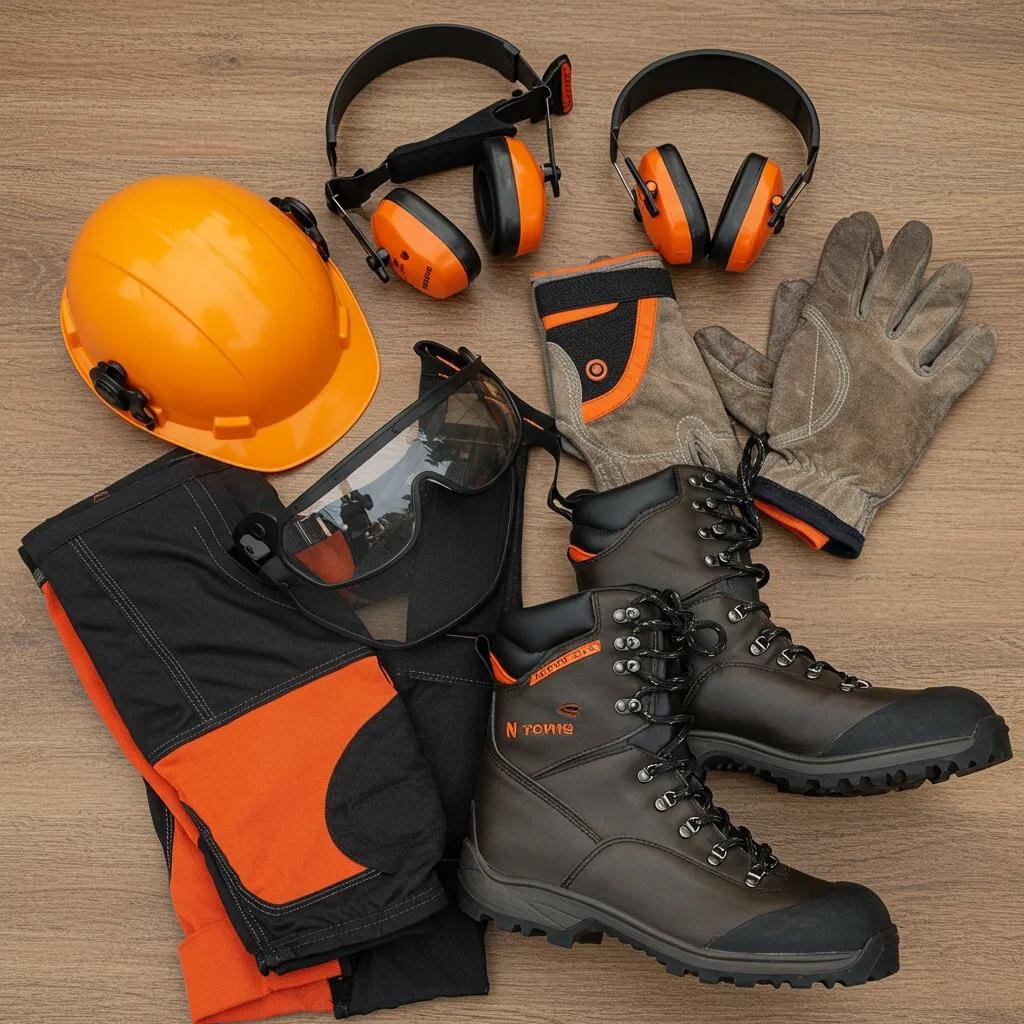
Personal protective equipment (PPE) includes garments and gear specifically designed to shield users from cuts, impacts, noise and vibrations during debris handling. Effective PPE reduces the severity of injuries when accidents occur. For example, chainsaw-rated trousers can prevent up to 90 percent of deep leg lacerations if the tool blade contacts the fabric.
Which Types of PPE Protect Against Common Tree Work Hazards?
Before any debris removal, property owners and arborists should assemble comprehensive PPE kits that address head impact, eye injury, hearing damage, hand abrasion and foot protection. The following table summarises key items, their protective function and applicable US standard:
| PPE Item | Protective Function | Applicable Standard |
|---|---|---|
| Safety Helmet | Shields head from falling debris | ANSI Z89.1 |
| Eye and Face Visor | Guards against flying wood chips | ANSI Z87.1 |
| Ear Defenders | Reduces chainsaw noise exposure | ANSI S3.19 / OSHA 29 CFR 1910.95 |
| Cut-resistant Gloves | Protects hands from cuts and scrapes | ASTM F1790 (or equivalent) |
| Chainsaw Protective Trousers | Prevents leg lacerations | ASTM F1897 |
| Steel-toe Safety Boots | Shields feet from crushing forces | ASTM F2413 |
These items form the core protection ensemble and should be inspected for damage before every use.
What US Safety Standards Apply to PPE for Tree Work?
US regulations, such as those from OSHA, mandate the use of certified PPE for any tree work and debris removal operations. Key requirements include:
- Helmets complying with ANSI Z89.1 when overhead risks exist
- Visors or goggles rated to ANSI Z87.1 for eye protection
- Hearing protection to ANSI S3.19 or OSHA 29 CFR 1910.95 when noise exceeds 85 dB(A)
- Cut-resistant legwear meeting ASTM F1897 for chainsaw operations
- Safety footwear fulfilling ASTM F2413 standards
Adherence to these standards ensures legal compliance and effective hazard mitigation.
How Should Property Owners and Arborists Properly Use PPE?
- Verify that helmets and visors fit snugly and adjust straps securely.
- Ensure hearing protection blocks noisy machinery sounds while allowing communication.
- Test gloves for tears or perforations before handling sharp branches.
- Lace safety boots fully and confirm steel toes are intact.
- Store items in a dry, ventilated area to prevent material degradation.
Regular PPE audits and user training reinforce safe habits and maintain protection integrity.
How Can Tree Debris Removal Equipment Be Operated Safely?
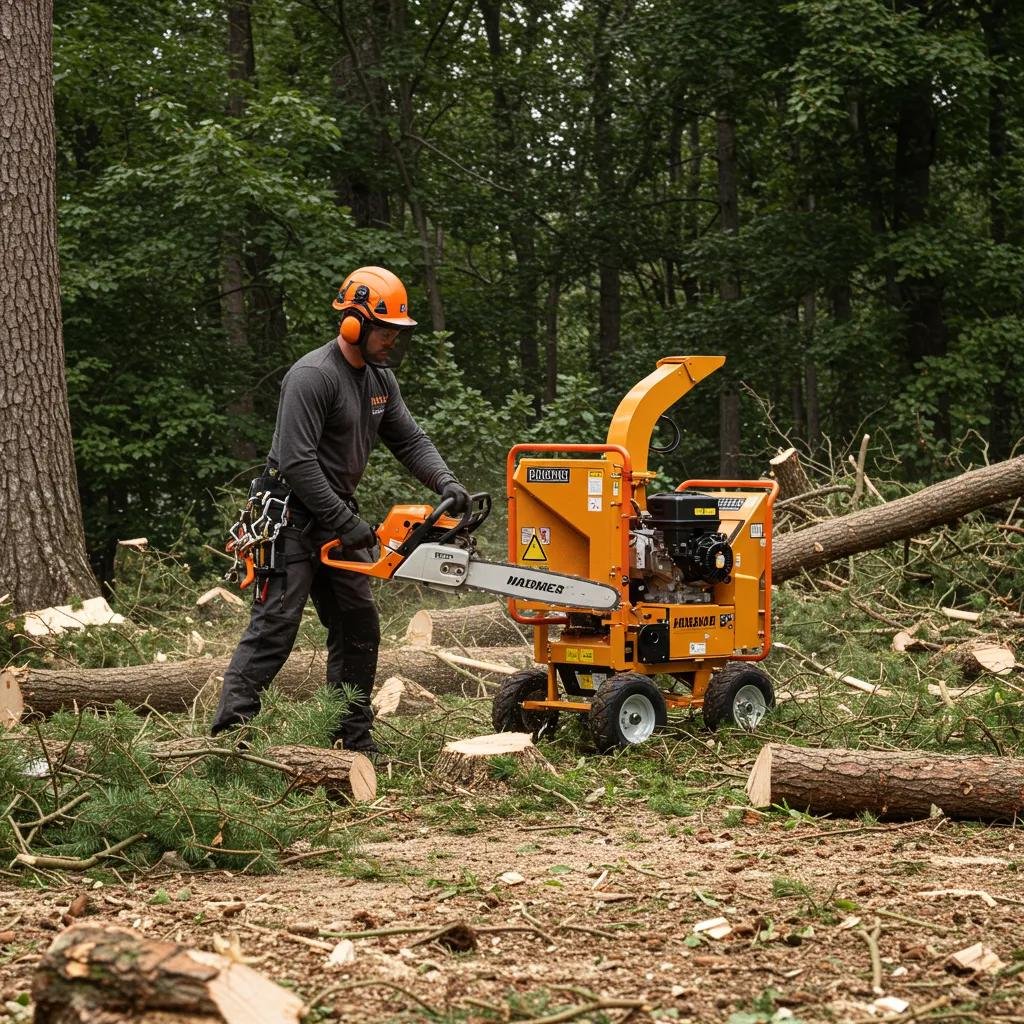
Safe equipment operation depends on clear procedures, proper maintenance and user competence. Misuse of chainsaws, chippers and grapple trucks accounts for many severe injuries. Implementing step-by-step checks prevents mechanical failures and operator errors.
What Are the Safe Practices for Operating Chainsaws During Debris Removal?
- Perform a pre-start inspection of the chain tension, brake function and guide bar condition.
- Wear full PPE including cut-resistant trousers and gloves.
- Maintain a firm two-handed grip and secure footing at all times.
- Keep the saw at waist height and avoid cutting above shoulder level.
- Engage chain brake when moving between cutting locations.
Adhering to these procedures minimises the most common causes of chainsaw-related injuries during debris cleanup.
How Should Wood Chippers Be Used to Prevent Accidents?
- Inspect blades, hoppers and emergency stop mechanisms before starting the machine.
- Feed branches butt-end first, never push small scraps by hand.
- Establish a three-metre safety perimeter and prevent bystander access.
- Shut down and isolate the engine before clearing blockages.
- Follow manufacturer’s maintenance schedule for lubrication and blade sharpening.
These measures mitigate entrapment, flying debris and mechanical failure risks.
What Safety Measures Are Required When Using Grapple Trucks for Debris Removal?
- Confirming operator competence through training certificates.
- Inspecting hydraulic hoses and securing grapple tines.
- Maintaining a clear swing radius of at least five metres.
- Securing loads properly to prevent debris spill-back.
- Communicating via hand signals or radio throughout lifting operations.
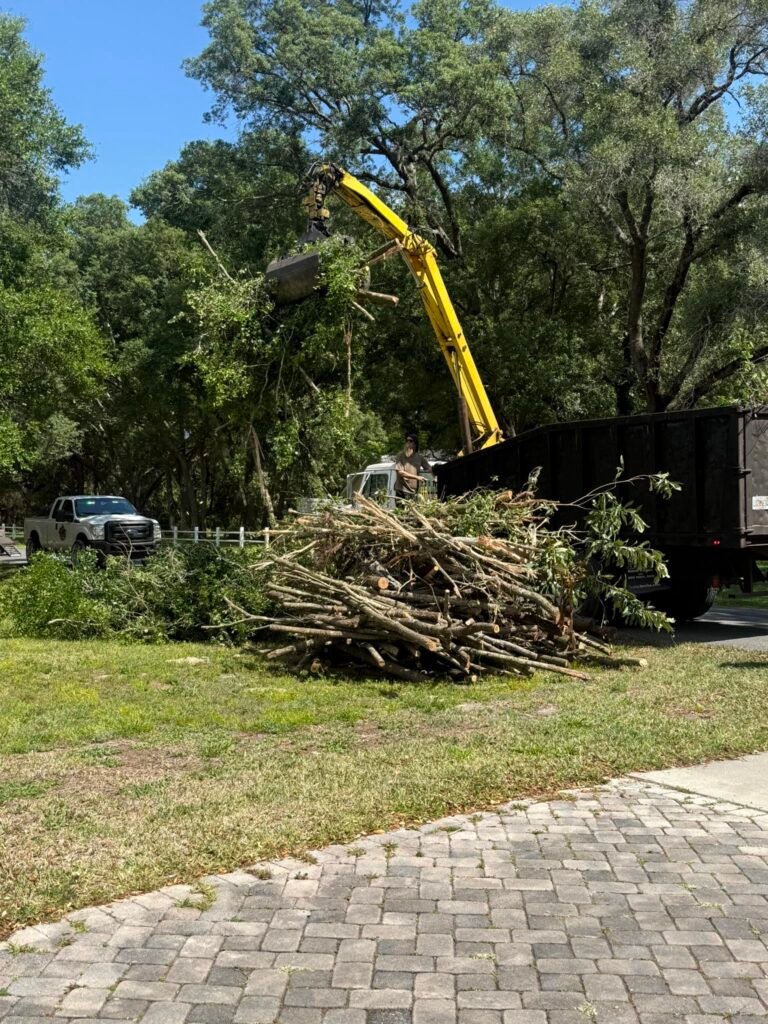
Professional operators with specialised grapple truck services deliver efficient clearance and reduce manual handling hazards.
Which Manual Handling Techniques Reduce Injury Risk with Smaller Debris?
- Bend at the knees and keep the back straight when lifting logs.
- Hold debris close to the torso to reduce leverage forces.
- Use team lifts or mechanical aids for loads over 20 kg.
- Rotate tasks to avoid repetitive strain injuries.
- Plan carrying routes to minimise twisting and obstruction.
Consistent ergonomic techniques protect against back strain and musculoskeletal disorders.
How Do Property Owners Identify and Mitigate Tree Debris Hazards on Their Property?
A thorough site hazard assessment identifies potential dangers before any work begins. Early detection of unstable elements prevents incidents during cleanup. For example, spotting a fractured branch overhead allows removal in a controlled manner before ground-level clearing starts.
What Should Be Included in a Pre-Work Site Risk Assessment?
- Location and tension of overhead power lines.
- Stability of remaining stump and adjacent trees.
- Presence of underground utilities or hidden debris.
- Uneven terrain, slopes and drainage conditions.
- Proximity of structures, fences and animal enclosures.
Completing this assessment sets the foundation for safe work planning and method statements.
How Can Safe Zones and Escape Routes Be Established During Debris Removal?
- Map out at least two clear exit paths away from debris piles.
- Mark exclusion areas with high-visibility tape or cones.
- Maintain minimum clearance per industry guidance from active machinery.
- Brief all participants on route locations and assembly points.
These measures ensure rapid withdrawal if conditions change suddenly.
Why Are Weather Conditions Critical to Debris Removal Safety?
Adverse weather such as high winds, heavy rain or lightning significantly increases risk during debris handling. Wind gusts can dislodge unstable branches, while wet wood becomes slippery and harder to control. Lightning threats necessitate immediate suspension of outdoor work. Monitoring forecasts allows property owners to schedule removal during safe weather windows.
What US Legal and Regulatory Requirements Govern Tree Debris Removal Safety?
US legislation, particularly OSHA standards, establishes mandatory duties for both landowners and contractors to manage tree-related hazards. Understanding these requirements ensures that debris removal follows lawful safety standards and reduces liability. For example, the Occupational Safety and Health Act of 1970 mandates a duty of care for all persons on site.
Which Key Regulations Apply to Tree Work and Debris Removal?
- Occupational Safety and Health Act of 1970 (OSHA) – general duty of care
- OSHA Fall Protection Standards (e.g., 229 CFR 1910 Subpart D, 29 CFR 1926 Subpart M) – safeguards for elevated operations
- OSHA General Requirements for All Machines (29 CFR 1910 Subpart O) – equipment safety requirements
- OSHA Hazard Communication Standard (29 CFR 1910.1200) – chemical exposure controls
How Do These Regulations Protect Property Owners and Workers?
These regulations require risk assessments, suitable controls and competent personnel to minimise hazards. By mandating PPE standards, safe work equipment and emergency planning, they create enforceable safety frameworks that reduce injury rates and legal exposures for both property owners and contractors.
Why Is Hiring Qualified Professionals Important for Legal Compliance?
Engaging certified arborists and trained removal teams ensures that all regulatory obligations are met. Qualified professionals hold relevant ISA (International Society of Arboriculture) certification or equivalent professional training, maintain valid insurance and adhere to industry best practices. Their expertise and documented method statements safeguard property owners from non-compliance penalties and potential litigation.
What Emergency Preparedness and First Aid Measures Should Be in Place for Tree Debris Removal?
Emergency readiness combines clear plans, accessible equipment and basic first aid skills to respond swiftly when incidents occur. Planning for worst-case scenarios ensures that minor injuries do not escalate and serious accidents receive prompt care.
How Can Property Owners Develop an Effective Emergency Plan?
- Designate an emergency coordinator and share contact details.
- Create a site map showing nearest medical facilities and emergency exits.
- Keep first aid kits stocked with dressings, splints and eyewash.
- Establish communication protocols for summoning assistance.
- Conduct periodic drills to familiarise occupants with response actions.
Preparedness reduces confusion and accelerates medical intervention when needed.
What Are the Basic First Aid Steps for Common Tree Work Injuries?
- Stopping any bleeding with direct pressure and clean dressings.
- Immobilising suspected fractures using improvised splints.
- Flushing eye injuries with clean water or saline solution.
- Treating minor burns from equipment contact using cool water and sterile dressings.
- Monitoring for signs of shock and seeking professional medical help as required.
Accurate first aid stabilises injured individuals until professional responders arrive.
How Can Property Owners Prioritize Safety with Professional Tree Debris Removal Services?
Professional debris removal services deliver efficient, compliant and hands-free solutions that remove the burden of risk from property owners. Expert teams apply advanced hazard controls, licensed equipment and rigorous site protocols, ensuring safe outcomes from start to finish.
What Are the Benefits of Using Expert Tree Services for Debris Cleanup?
- Comprehensive risk assessments and bespoke work method statements
- Access to professional equipment such as wood chippers, grapple trucks and block-and-tackle systems
- Certified arborists trained in current US safety regulations
- Streamlined debris disposal and site restoration services
- Liability coverage through professional indemnity and public liability insurance
These advantages ensure peace of mind and full regulatory compliance during debris removal projects.
How Do Professional Arborists Ensure Compliance with Safety Guidelines?
- Detailed site audits and documented risk management plans
- Use of industry-certified PPE and regularly serviced machinery
- Ongoing safety briefings and toolbox talks with team members
- Strict adherence to US legislative requirements and industry codes of practice
- Final site inspections and handover reports to confirm compliance
Such systematic approaches minimise hazards and deliver verifiable safety outcomes.
Where Can Homeowners Find Trusted Tree Debris Removal Services in Volusia County?
Homeowners can evaluate providers based on professional credentials, customer testimonials and clear service offerings. Recommended criteria include:
- Verification of arborist qualifications and specialist training
- Evidence of comprehensive insurance cover
- Transparent pricing structures and detailed service agreements
- Positive reviews highlighting reliability and safety performance
- Demonstrated experience in storm-damage cleanup and complex removals
Selecting a reputable tree service partner ensures that property owners benefit from expert debris management and enhanced site safety.
Engaging qualified professionals transforms debris removal from a risky chore into a controlled, compliant operation. Property owners who invest in expert tree debris removal services preserve their safety, protect their assets and enjoy lasting peace of mind with efficient, regulation-compliant site clearance. For comprehensive support and local expertise, contact the team at florida-tree-service.com.