What Affects Volusia Grapple Service Pricing Options?
Grapple truck services in Volusia County are priced by balancing debris volume, site complexity, disposal logistics, labor time and regulatory fees into transparent rate structures that help property owners budget accurately. This guide explains how each cost driver—from cubic yards of tree trunks to landfill tipping fees—shapes volusia grapple service pricing options, and outlines per-load, hourly and project-based models.
Readers will learn:
- What a grapple service is and how it operates locally
- The five core factors influencing costs in Volusia County
- Common pricing models and side-by-side comparisons with alternatives
- Benefits of professional grapple hauling, including speed, safety and sustainability
- How to request precise quotes and navigate local regulations
By demystifying pricing variables and quoting processes, this article positions property owners to secure competitive estimates and fast, compliant debris removal through Florida Tree Service’s specialized grapple solutions.
What Is a Grapple Service and How Is It Used in Volusia?
A grapple service combines a heavy-duty truck with a hydraulic claw to lift, load and haul large debris in a fraction of the time required by manual crews or conventional equipment. By mechanizing removal of logs, limbs and construction waste, it delivers speed and safety benefits for land clearing, storm cleanup and routine tree maintenance. In Volusia County’s varied terrain—from beachfront lots to inland neighborhoods—grapple hauling tackles bulky materials that would otherwise require multiple dump runs or manual labor, streamlining projects and reducing overall costs.
Grapple Truck Services in Volusia County
Grapple truck services are available in Volusia County for various debris removal needs, including land clearing, storm cleanup, and commercial property maintenance [9, 12]. These services offer efficient and safe solutions for handling large and bulky materials, making them a valuable option for property owners [9, 11].
This citation supports the article’s discussion of grapple service and its benefits.
What Is a Grapple Truck and How Does It Work?
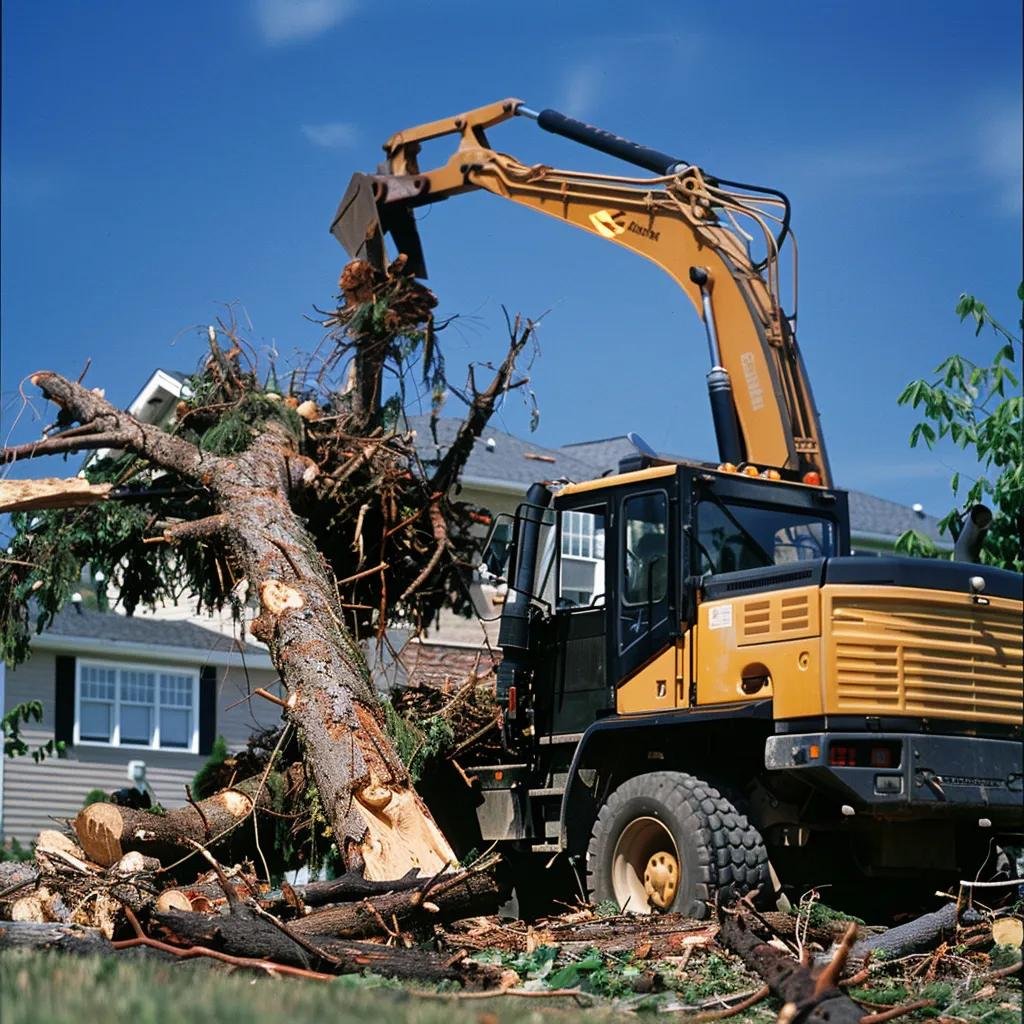
A grapple truck is a heavy-equipment vehicle equipped with a hydraulic arm and claw that locks onto debris, lifts it into the dump bed and secures the load for transport. The hydraulic system powers opening, closing and rotation of the claw, enabling precise placement of irregular objects. This mechanism eliminates manual lifting, accelerates debris collection and minimizes crew exposure to hazardous materials. The result is faster cleanup, fewer labor hours and lower equipment wear compared to standard dump trucks.
Which Types of Debris Can Grapple Trucks Remove?
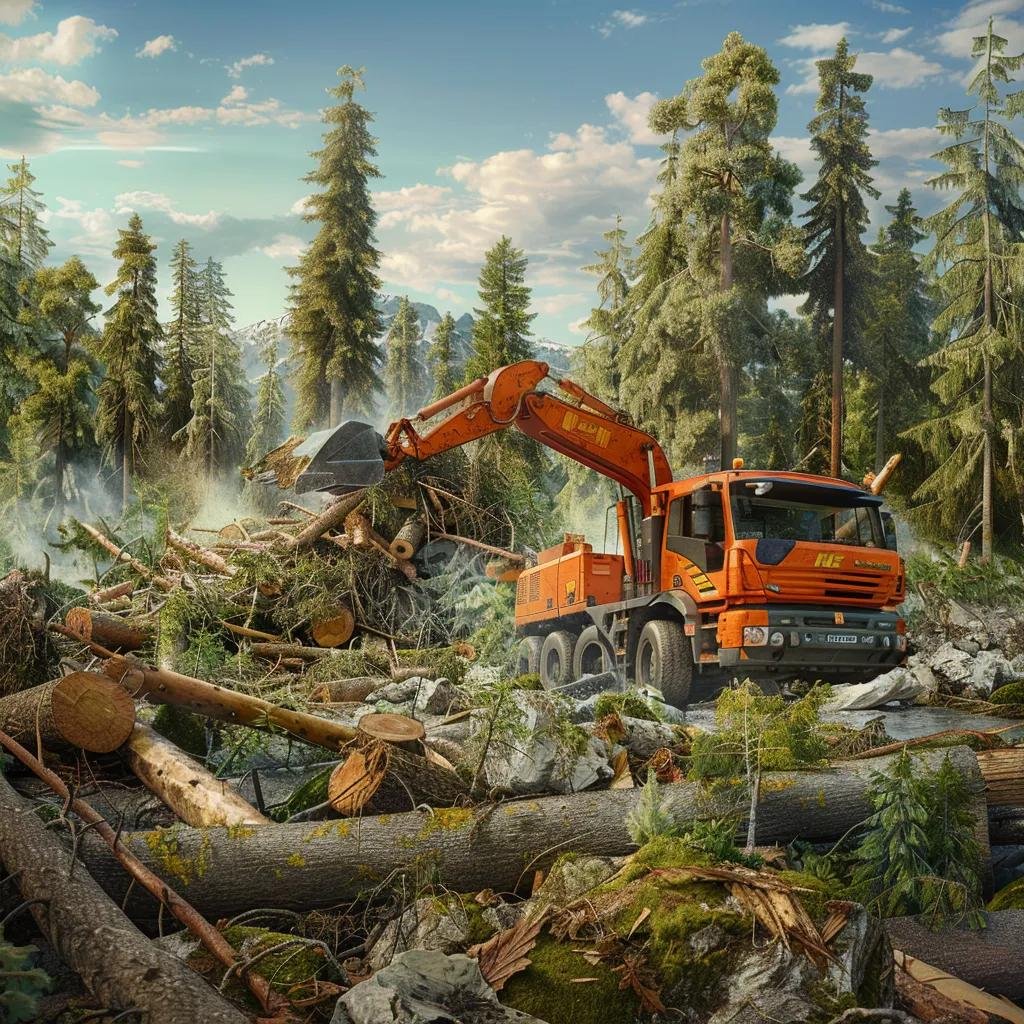
Before loading materials, crews categorize debris by size and composition. The following table shows common debris types, their attributes and how grapple trucks handle each:
| Debris Type | Characteristic | Handling Benefit |
|---|---|---|
| Tree Trunks | High weight, rigid shape | Hydraulic claw stability |
| Oversized Limbs | Irregular form, bulky | Wide-opening grapple for secure grip |
| Construction Waste | Mixed materials, heavy | Easy sorting and containment in bed |
| Storm-damaged Wood | Wet, uneven pieces | Powerful arm rotation for placement |
| Yard Waste | Smaller branches, brush piles | Rapid batch lifting and transport |
Grapple trucks adapt to diverse waste streams, ensuring efficient removal of both vegetative and inert debris.
How Does Grapple Service Support Land Clearing and Storm Cleanup?
Grapple hauling excels at large-scale land clearing by quickly stripping vegetation, piling material and loading it in continuous cycles. During storm cleanup, it lifts fallen trees, damaged fencing and scattered debris in a single pass, reducing on-site clutter and restoration time. By consolidating debris removal into one machine, clients experience fewer site interruptions and faster project turnover—an advantage for both residential and commercial properties in Volusia’s storm-prone regions.
What Are the Key Factors That Influence Grapple Service Pricing in Volusia?
How Does Debris Volume and Type Affect Pricing?
Debris volume measured in cubic yards and material composition directly influence hauling time, disposal fees and required passes. Denser materials or mixed construction waste may necessitate separate handling and tipping fees.
- 10–20 cubic yards of clean wood runs faster than the same volume of mixed debris.
- Wet or heavier materials reduce payload capacity, increasing load count.
- Composite loads (wood plus metal) invoke higher landfill charges.
| Entity | Attribute | Value |
|---|---|---|
| Debris Volume | Measurement | Cubic yards |
| Debris Weight | Impact | Affects payload capacity and trips |
| Material Type | Wood vs. Mixed | Determines disposal site and fee per ton |
Higher debris volume and complex material mixes raise project duration and disposal charges, guiding property owners to separate recyclable materials to manage costs.
How Does Site Accessibility Influence Grapple Service Costs?
Site accessibility—driveway width, terrain slope, obstacles and overhead clearances—affects setup time and equipment choice.
- Narrow or gated entrances may require skid-steer positioning instead of full truck entry.
- Uneven or soft ground demands stabilizers and slower maneuvering.
- Proximity to power lines or structures calls for additional safety protocols.
How Do Distance and Disposal Fees Affect Pricing?
Travel time to local landfills and Volusia County tipping fees combine into per-load disposal costs.
- Landfills in Daytona Beach incur around $30 per ton.
- Round-trip hauling time of 20–40 minutes adds to hourly rates.
- Remote sites farther than 30 miles from disposal centers may include mileage surcharges.
Increasing disposal distance elevates fuel and labor charges, underlining the benefit of centralized staging areas for large-scale clearing.
What Role Do Labor and Equipment Hours Play in Pricing?
Crew size, operator rates and machine runtime define hourly pricing structures:
- Standard crew of two operators at $125–$150 per hour combined.
- Minimum time blocks (often two hours) apply to initial mobilization.
- Overtime or weekend work may incur a 1.5× surcharge on hourly rates.
Equipment hours incorporate startup and shutdown procedures, tying costs directly to efficient scheduling and minimal downtime.
Are There Permit Requirements That Impact Cost in Volusia County?
Large-scale debris removal or land clearing projects often require zoning or environmental permits from Volusia County.
- Vegetation removal beyond 5,000 square feet may need an Environmental Resource Permit.
- Right-of-way cleanups adjacent to county roads involve separate roadway permits.
- Permit application fees range from $100 to $500 depending on project scope.
Environmental Resource Permits in Volusia County
Large-scale debris removal or land clearing projects in Volusia County may require permits. The Environmental Resource Permit (ERP) is often needed for projects removing vegetation over 5,000 square feet [2, 3, 16]. These permits are essential for ensuring compliance with environmental regulations and can affect the overall cost of a project [3].
This citation supports the article’s discussion of permit requirements and their impact on grapple service pricing.
Including permit acquisition in service quotes ensures compliance and avoids unexpected regulatory hold-ups.
How Do Emergency or Expedited Services Affect Grapple Pricing?
Urgent debris removal after storms or hazardous incidents typically carries priority surcharges:
- Emergency dispatch rates can add 20–30% to standard hourly costs.
- Weekend or holiday response may include fixed expedite fees of $200–$500.
- Rapid-response equipment staging reduces delays but increases mobilization expenses.
Blocking debris quickly safeguards properties and reduces secondary damage, justifying premium rates for immediate service.
What Are the Common Pricing Models for Grapple Services in Volusia?
How Does Per-Load Pricing Work for Grapple Services?
Per-load pricing sets a fixed rate for each full truckload of debris delivered to the disposal facility.
- Typical rates range from $500 to $900 per load, depending on material type and tonnage.
- Clients benefit from predictable costs when debris volumes are well defined.
- Load count is verified by weight tickets at landfill weigh-bridges.
Per-load models simplify billing for mid-size jobs and encourage debris consolidation before mobilizing equipment.
What Are Hourly Rate Structures for Grapple Truck Operations?
Hourly pricing charges an all-inclusive rate for machine operation and crew labor per hour.
- Rates begin at $125 per hour after an initial two-hour minimum.
- Inclusive of operator, truck, fuel and standard safety equipment.
- Ideal for projects with uncertain debris volumes or multiple access points.
This model provides flexibility for ongoing or evolving cleanup tasks without per-load constraints.
When Is Project-Based Pricing Used for Grapple Services?
Project-based pricing offers a flat fee covering all services from mobilization through disposal and permits.
- Comprehensive quotes start at $1,500 for small lot clearing and scale to $5,000+ for larger acreage.
- Best suited for complete land-clearing or multi-phase storm restoration efforts.
- Eliminates hourly or per-load variables, simplifying budgeting for extensive contracts.
Flat-fee arrangements reward efficient execution and remove risk of unexpected fee increases over project duration.
How Does Grapple Service Pricing Compare to Alternatives in Volusia?
How Do Grapple Truck Costs Compare to Dumpster Rental Prices?
Dumpster rentals charge by container size and retention period, with separate hauling fees.
| Entity | Attribute | Value |
|---|---|---|
| 20-Yard Dumpster | Rental + Hauling | $300–$500 per week |
| Grapple Truck Load | Per-Load Cost | $500–$900, includes hauling |
| Additional Hauls | Extra Hauling Fee | $150–$250 per load |
Dumpster rentals may suit small debris volumes, but grapple loads excel when handling heavy or landscape-scale material in fewer trips and without requiring container staging.
What Are the Differences Between Grapple Service and Manual Labor Pricing?
Manual crews charge by labor hour plus disposal, often leading to higher cumulative costs for bulky debris.
- Crew of four at $40 per hour each totals $160 per hour.
- Slow stacking and hauling increase project time.
- Risk of injury and insurance surcharges can add 10–15% to labor bills.
Grapple trucks reduce manual handling by up to 70%, curtailing labor costs and accelerating project timelines for property owners.
Key Factors Affecting Volusia Grapple Service Pricing
How Does Grapple Service Improve Efficiency and Speed?
By automating heavy lifting and loading, a single grapple truck can remove in one hour what a manual crew may clear in four. Quick cycle times—load, haul, return—minimize site disruption and compress project schedules. This efficiency translates into lower overall service fees and faster property restoration.
How Does Grapple Service Enhance Safety on Job Sites?
Hydraulic claws eliminate direct contact with sharp, unstable or contaminated materials, reducing risk of strains, falls and lacerations. Fewer personnel on foot near heavy debris enhances compliance with job-site safety standards and lowers potential workers’ compensation costs.
What Environmental and Sustainability Benefits Does Grapple Service Offer?
Grapple removal allows for on-site separation of recyclable wood and metal, diverting up to 30% of debris from landfills. By consolidating loads, it cuts fuel consumption and emissions relative to multiple small-truck trips. Responsible disposal practices support Volusia County recycling goals and reduce environmental impact.
How Can Property Owners Get an Accurate Grapple Service Quote in Volusia?
What Information Should You Provide for a Detailed Quote?
Property owners should supply:
- Debris type and estimated volume (cubic yards)
- Site access descriptions (driveway width, gate restrictions)
- Distance from disposal facilities or staging area
- Desired service timeline or emergency requirements
- Permit status or known regulatory conditions
Providing this data upfront minimizes on-site surprises and supports an all-inclusive rate rather than open-ended billing.
How Does Florida Tree Service Calculate and Present Pricing Options?
Florida Tree Service uses a transparent process:
- Initial Consultation – Remote or on-site assessment of volume and access
- Detailed Quote – Line-by-line breakdown of debris, labor, disposal and permits
- Model Selection – Client chooses per-load, hourly or project-based rate
- Written Agreement – Fixed pricing illustrated in a clear service contract
Clients receive itemized comparisons via email and can revisit rate options as project scope evolves.
What Local Regulations and Fees Affect Grapple Service Pricing in Volusia County?
What Are Volusia County’s Landfill Tipping Fees and Their Impact?
Volusia County charges approximately $30 per ton for yard waste and land-clearing materials.
Volusia County Landfill Fees
Volusia County charges fees for waste disposal at the Tomoka Landfill, with different rates for various materials. Yard waste and land-clearing debris are charged at a rate of $30 per ton, while construction and demolition debris and household garbage are charged at $37 per ton [4, 7]. These fees are subject to change, and it’s important to check for the most up-to-date information [7].
This citation supports the article’s discussion of landfill tipping fees and their impact on grapple service pricing.
- Clean wood may be eligible for reduced rates or recycling credits.
- Mixed debris incurs full tipping fees plus sorting surcharges.
Integrating these fees into service quotes ensures property owners avoid unexpected landfill charges.
Which Permits Are Required for Large-Scale Debris Removal?
Projects removing vegetation over 5,000 square feet or working in county rights-of-way typically need:
- Environmental Resource Permit (ERP)
- Roadway work permit for debris adjacent to public roads
- Tree removal permit in conservation zones
What Emergency and Storm Cleanup Pricing Factors Affect Grapple Services in Volusia?
How Are Emergency Grapple Services Priced Differently?
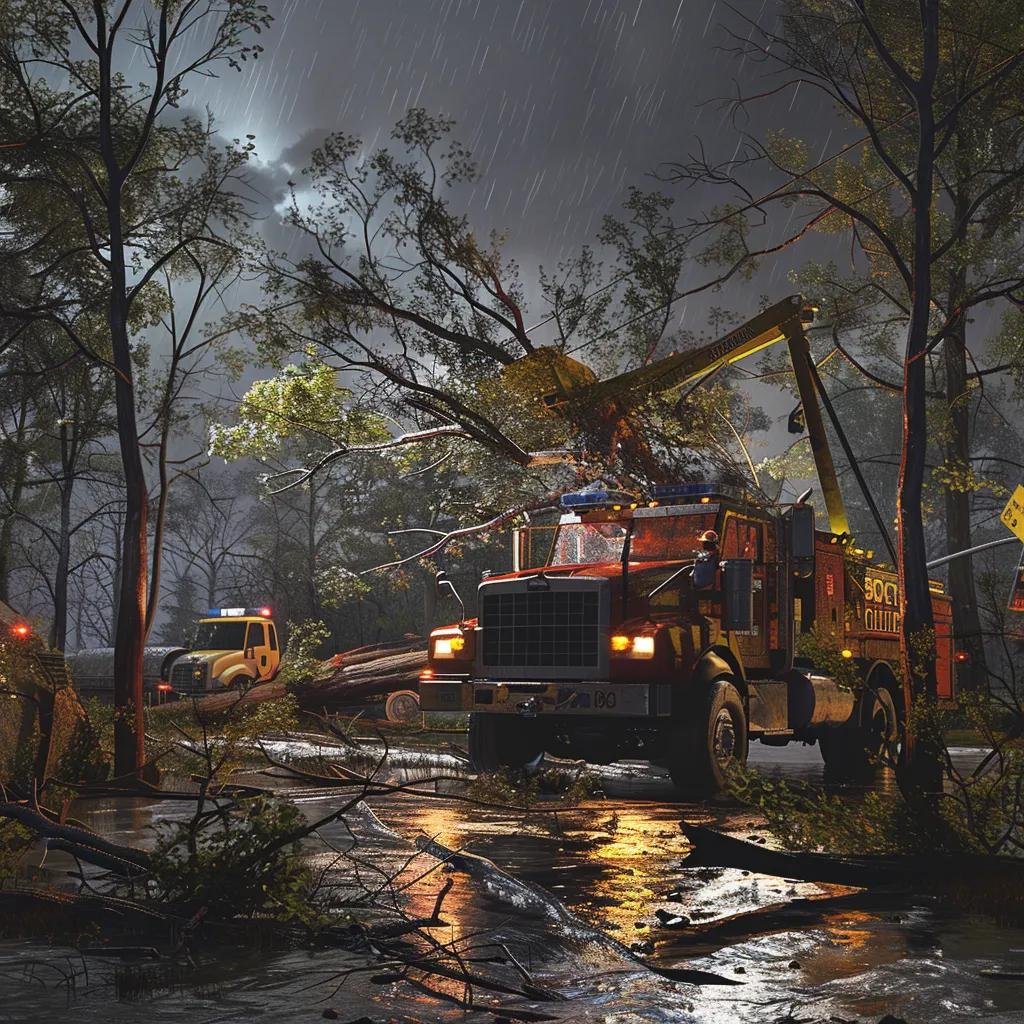
Emergency rates apply when immediate debris removal is required to mitigate hazards:
- 20–30% premium on hourly or per-load rates
- Priority equipment staging with dedicated crews
- Additional safety measures for unstable storm debris
Swift action protects properties from further damage and expedites insurance claims.
What Should Property Owners Know About Storm Debris Removal Costs?
Storm events generate high debris volumes and landfill backlogs, potentially extending project timelines and disposal waits. Seasonal demand can raise base rates by 10–15%. Scheduling early assessments and flexible staging options helps lock in competitive pricing before peak surcharges take effect.
Property owners who understand these pricing drivers can secure accurate quotes and choose the ideal charging model for their needs.
By leveraging professional grapple services from Florida Tree Service, Volusia clients benefit from unmatched efficiency, safety and environmental responsibility. Whether clearing a backyard storm mess or preparing acreage for development, transparent cost structures and local expertise ensure value and compliance at every step.