Article:
Volusia County Grapple Regulations for Tree & Land Clearing
Understanding how local regulations for grapple operations govern tree removal and land clearing in Volusia County is essential for property owners aiming to avoid costly delays and fines. This article explains the Volusia County Tree Preservation Ordinance, outlines permit requirements, and details specific rules for using grapple trucks on residential or commercial land. Readers will gain insight into permit applications, noise and safety standards, debris disposal, violation consequences, and tree replacement mandates—all while learning how professional arborist services streamline compliance.
Main themes covered:
- Key county tree laws and ordinance overview
- Permit triggers, application steps, and exemptions
- Grapple truck use, debris removal, and operational constraints
- Penalties for non-compliance and enforcement processes
- Assistance from florida-tree-service.com for permits and scheduling
- Land clearing, storm debris rules, and approved disposal sites
- Post-removal tree replacement and environmental objectives
What Are the Key Volusia County Tree Laws Affecting Grapple Operations?
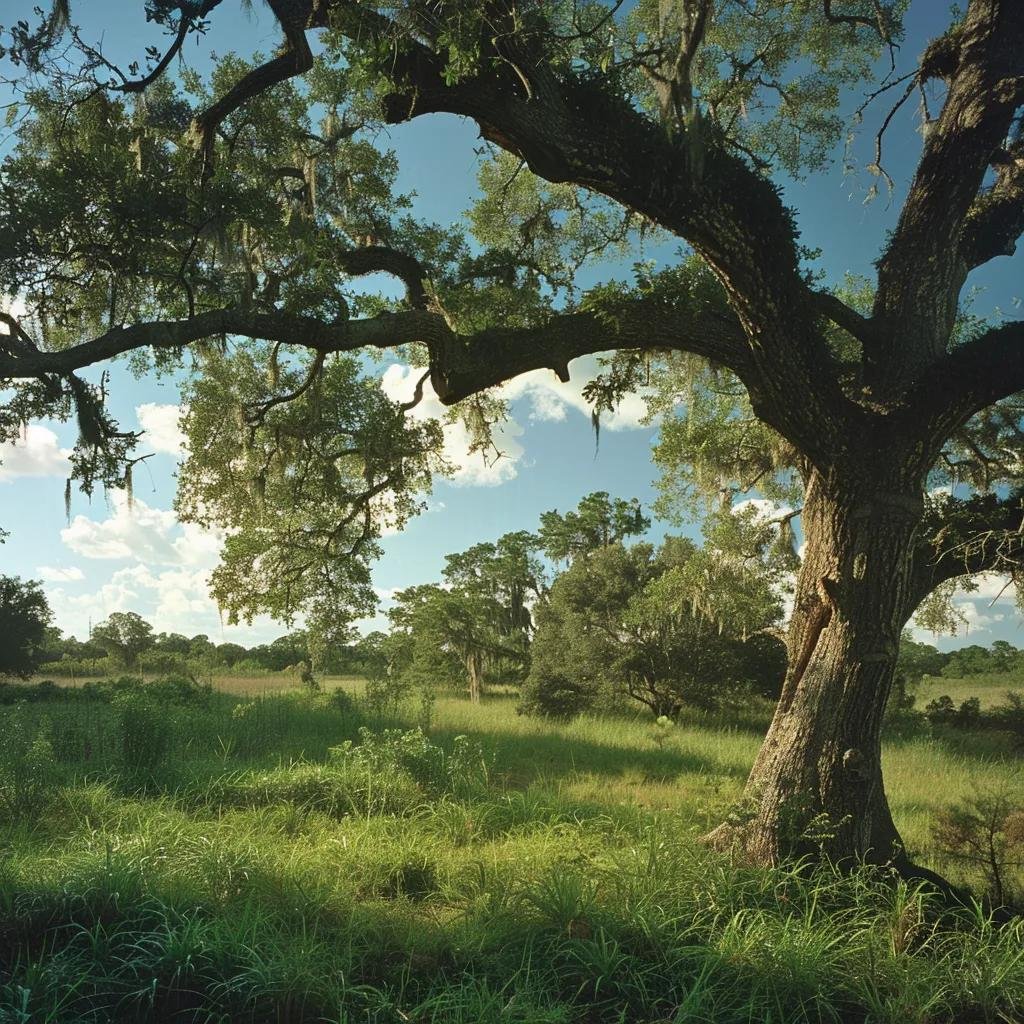
The foundation of local regulations for grapple operations lies in Volusia County’s Tree Preservation Ordinance, which balances environmental goals with property development needs. This legislation defines protected trees, sets diameter thresholds, and establishes replacement standards to safeguard native species. For a detailed summary of these rules, see Volusia County Tree Preservation Ordinance Summary.
Protected trees in Volusia County include native hardwoods, historic specimens, and any tree measuring 4 inches or more in diameter at breast height (DBH). Wetland buffer zones and special zoning districts may raise minimum DBH requirements. Zoning rules influence where grapple trucks can operate, restrict clearing in conservation areas, and mandate tree buffers along property lines.
Before deploying heavy equipment, property owners must check zoning overlays for wetland protection, shoreline setbacks, and stormwater requirements. Grapple operations near wetlands often require a separate environmental resource permit from the St. Johns River Water Management District. Understanding these intersecting regulations ensures safe, lawful use of grapple trucks without jeopardizing compliance.
What Is the Volusia County Tree Preservation Ordinance and Its Purpose?
Volusia County’s Tree Preservation Ordinance protects native canopy by requiring permits for removal and defining replacement ratios. Its purpose is to conserve species diversity, manage urban heat islands, and maintain ecological balance.
Key elements include:
- Jurisdiction: All unincorporated areas administered by the Environmental Management Division (EMD).
- Definitions: Protected trees are native species with DBH ≥ 4 inches; historic trees are DBH ≥ 30 inches.
- Replacement Standards: Removed tree DBH area must be replaced at a 150% cross-sectional ratio.
Volusia County Tree Preservation Ordinance
The Volusia County Tree Preservation Ordinance is the foundation for regulations regarding tree removal and land clearing, balancing environmental goals with property development needs. This ordinance defines protected trees, sets diameter thresholds, and establishes replacement standards to safeguard native species.
This ordinance is directly relevant to the article’s discussion of local regulations and the use of grapple trucks.
Which Trees Are Protected Under Volusia County Regulations?
Volusia County safeguards native hardwoods, certain conifers, and historic specimens through specific DBH thresholds. The table below outlines major protected categories and their criteria:
| Entity | Attribute | Value |
|---|---|---|
| Native Hardwood Trees | Minimum DBH | 4 inches |
| Historic Trees | Minimum DBH | 30 inches |
| Wetland Buffer Trees | Buffer Zone Restriction | 25–50 feet from wetland boundary |
| Specimen Conifers | Species List | Longleaf pine, bald cypress, slash pine |
Even specimens outside conservation zones may require replacement if removed without a permit. Grapple operators must identify protected trees on site before beginning any removal or land clearing.
How Do Local Zoning and Environmental Rules Influence Grapple Use?
Zoning designations—residential, commercial, agricultural, and conservation—determine permissible clearing extents and buffer requirements. Environmental regulations address stormwater runoff, soil erosion, and wetland protection. Grapple operations in sensitive zones often trigger additional site-specific permits.
Key zoning influences:
- Buffer Requirements: Structures or clearing must maintain tree-line setbacks.
- Wetland Resources: Grapple access routes cannot cross buffer zones without mitigation plans.
- Erosion Control: Clearing activities need sediment barriers and stabilization measures.
Coordinating with the Volusia County EMD and consulting a certified arborist ensures that grapple trucks operate within the permitted framework.
When Is a Tree Removal Permit Required in Volusia County?
A tree removal permit is required whenever a protected tree is cut, relocated, or destroyed outside homestead-exempt residential properties. Permits apply to non-owner-occupied homes, commercial sites, multi-family developments, and any land clearing over 5,000 square feet. Property owners should review permit triggers before scheduling grapple services to maintain compliance.
What Are the Permit Application Steps for Tree Removal?
Property owners follow a clear process to secure tree removal permits from the Volusia County Environmental Management Division:
- Submit a completed permit application with property details and project scope.
- Include a certified tree survey showing location, species, and DBH of all protected trees.
- Provide site plans indicating proposed clearing areas, buffer zones, and access points.
- Pay applicable fees based on the number of protected trees and project scale.
- Await EMD review and site inspection before permit issuance.
Permit Application Steps
Property owners in Volusia County must follow a specific process to secure tree removal permits, including submitting an application, a tree survey, site plans, and paying fees. The Environmental Management Division (EMD) reviews applications, conducts site inspections, and enforces replacement requirements.
This citation supports the article’s explanation of the permit application process and the role of the EMD.
This step-by-step approach streamlines approvals, reduces project delays, and prepares property owners for scheduling grapple operations. Learn more about each stage at Volusia County Tree Removal Permits.
Which Exemptions Apply to Residential and Homestead Properties?
Owner-occupied single-family homes with a valid homestead exemption may remove up to five non-protected trees per year without a permit. Exemptions include:
- Dead, diseased, or storm-damaged trees.
- Trees within 15 feet of a primary residential structure that pose a safety hazard.
- Fruit trees, palm species, or ornamental landscaping not classified as protected.
Strict documentation of homestead status and photographic evidence of tree condition must accompany exemption claims. Understanding these allowances can accelerate residential land clearing with a grapple truck.
How Does the Volusia County Environmental Management Division Oversee Permits?
The Volusia County EMD administers tree removal permits, enforces ordinances, and conducts site inspections. Its responsibilities include:
- Reviewing applications and tree surveys.
- Inspecting sites before and after removal.
- Enforcing replacement requirements through follow-up reports.
- Issuing notices of violation or stop-work orders for unpermitted activities.
Proactive coordination with the EMD prevents unexpected inspections and ensures that grapple use remains within legal boundaries.
How Do Local Laws Regulate Grapple Truck Operations in Volusia County?
Volusia County’s rules for grapple truck use address debris management, noise control, safety protocols, and landfill requirements. Operators must sort vegetative debris, separate prohibited materials, and transport waste to approved facilities. Compliance reduces environmental impact and aligns with solid waste regulations.
What Are the Legal Requirements for Grapple Truck Debris Removal?

Local debris removal standards mandate that all vegetative waste be:
- Sorted: Separate logs, brush, stumps, and non-organic debris.
- Transported: Haul to approved sites such as Tomoka Landfill or West Volusia Transfer Station.
- Documented: Provide weight slips or disposal receipts with load manifests.
This process ensures transparent waste tracking and lawful disposal while protecting waterways and preventing unauthorized dumping.
Are There Noise or Safety Ordinances Affecting Grapple Operations?
Grapple trucks must adhere to Volusia County’s noise ordinance limiting equipment noise to 75 dBA during daytime hours and 65 dBA after dusk. Safety requirements include:
- Maintaining a 20-foot perimeter around operating equipment.
- Using audible backup alarms.
- Deploying proper signage on public roads.
Compliance with these standards minimizes community disturbance and liability risks during tree removal and land clearing projects.
How Does Compliance with Grapple Operations Save Time and Avoid Fines?
Properly permitted and regulated grapple work reduces permit turnaround time by up to 30%, according to industry benchmarks. Avoiding fines—ranging from $250 to $1,000 per infraction—preserves project budgets and maintains community relations. Adhering to sorted-debris protocols and using approved disposal sites prevents costly corrective actions and site restoration orders.
What Are the Consequences of Violating Volusia County Tree and Grapple Operation Laws?
Violating tree removal or debris rules triggers monetary penalties, mandatory replacement mandates, and potential legal action. Understanding these consequences motivates property owners to engage professional arborist firms that specialize in compliant grapple operations.
What Fines and Penalties Apply for Illegal Tree Removal?
Unauthorized removal of a protected tree can incur fines up to $1,000 per tree, plus replacement requirements at 150% of the removed tree’s cross-sectional area. Repeat violations may result in civil citations, daily penalties, and lien placement on the property for unpaid fines.
| Entity | Attribute | Value |
|---|---|---|
| Fine per Protected Tree | Maximum Amount | $1,000 |
| Replacement Requirement | Ratio | 150% cross-sectional area |
| Repeat Violation Penalty | Daily Fine | $250–$500 per day |
These penalties reinforce the importance of securing permits and using trained arborist teams for grapple operations.
How Does Volusia County Enforce Tree Law Violations?
Volusia County Code Enforcement Officers inspect complaint sites, issue stop-work orders, and coordinate with the EMD to enforce ordinance compliance. Legal enforcement may include administrative hearings or referrals to county attorneys for injunctions. Prompt correction of violations through replacement planting or fines is required to lift stop-work orders.
How Can Property Owners Avoid Common Compliance Mistakes?
To prevent compliance errors, property owners should:
- Engage certified arborists for accurate tree surveys.
- Confirm permit requirements early in project planning.
- Document all removal and disposal activities with photos and receipts.
- Maintain open communication with the EMD throughout the project.
Partnering with an experienced tree service simplifies these steps and ensures every grapple operation aligns with county regulations.
How Can Property Owners Navigate Permitting and Compliance for Grapple Operations?
Navigating Volusia County’s permit landscape can be complex, but florida-tree-service.com offers expert guidance to simplify the process. Their arborists prepare surveys, complete applications, and liaise with the Environmental Management Division on behalf of clients.
What Support Does florida-tree-service.com Offer for Permit Applications?
florida-tree-service.com provides comprehensive permitting services, including:
- Conducting certified tree inventories.
- Drafting site plans and buffer analyses.
- Submitting applications and following up with county officials.
- Coordinating inspections and handling amendment requests.
This turnkey approach reduces administrative burden and accelerates approval for grapple-based tree removal projects.
How Do Expert Tree Services Ensure Compliance with Local Laws?
Professional arborist teams maintain up-to-date knowledge of zoning changes, noise ordinances, and land clearing regulations. They execute grapple operations under approved work plans, employ safety-trained equipment operators, and document every step for audit trails. This on-site expertise prevents oversights that often trigger violations.
What Are the Steps to Schedule Compliant Grapple Operations in Volusia?
To schedule compliant grapple work:
- Request a free site evaluation at florida-tree-service.com.
- Review the proposed scope, including protected tree locations and buffer zones.
- Approve the submitted permit application plan.
- Schedule equipment mobilization following EMD approval.
Engaging certified arborists early ensures operations proceed smoothly and legally.
What Are the Regulations for Land Clearing and Storm Debris Removal Using Grapple Trucks?
Land clearing and storm cleanup have distinct permit and disposal requirements designed to protect waterways and wildlife habitats. Grapple trucks play a crucial role in efficient debris management, provided operations align with county rules.
How Does Volusia County Regulate Land Clearing Permits and Zoning?
Commercial land clearing above 1 acre requires a Development Review Committee approval, stormwater management plans, and erosion control measures. Zoning ordinances may mandate reforestation or buffer planting where clearings impact adjacent properties.
What Are the Rules for Storm Debris Collection and Disposal?
After storms, homeowners must separate vegetative debris from construction material, metals, and household waste. Permits may be waived for emergency cleanup, but disposal still requires use of approved facilities and weight tickets. Volunteers or contractors cannot leave debris on county right-of-way without prior authorization.
Where Are Approved Disposal Sites for Grapple-Removed Debris?
- Tomoka Landfill: Accepts mixed vegetative debris and mulch.
- West Volusia Transfer Station: Handles sorted logs, brush, and stumps.
- Southern Pines Recycling: Recovers wood chips for biomass.
Transport manifests and disposal receipts must be kept on file to demonstrate legal compliance.
What Are the Tree Replacement and Environmental Requirements After Removal?
Volusia County enforces tree replacement to maintain canopy coverage and support ecological goals. Replacement ratios, species selection, and planting locations are subject to strict guidelines administered by the EMD.
How Does Volusia County Enforce Tree Replacement Standards?
Following removal, property owners must submit a replacement planting plan detailing species, quantities, and locations. EMD inspects plantings and issues a compliance certificate once replacement trees meet size and health criteria. Failure to complete replacement prompts fines and stop-work orders on future permits.
What Role Does DBH Play in Replacement Calculations?
Replacement requirements use the removed tree’s DBH to calculate total cross-sectional area needing replacement. For example, a 12-inch DBH tree requires replacement coverage equivalent to a 14.7-inch DBH tree (150% ratio). This mathematical approach ensures canopy restoration aligns with ecological impact.
How Do Local Environmental Goals Influence Grapple Operations?
Environmental objectives—such as reducing stormwater runoff, enhancing wildlife habitat, and preserving native species—shape how grapple operations execute clearing and planting. Integrating erosion control, sediment barriers, and native plant stock reduces environmental footprints and contributes to county sustainability targets.
Property owners can confidently plan tree removal and land clearing in Volusia County by understanding permit triggers, ordinance requirements, and equipment regulations. Partnering with arborist experts at florida-tree-service.com ensures compliant grapple operations, streamlined permitting, and professional debris management. For expert assistance and free estimates, visit florida-tree-service.com today.